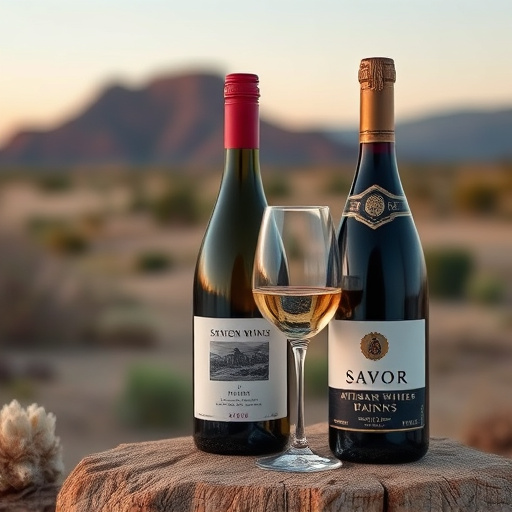
Sonoita, Arizona's wine culture offers educational tours focusing on vineyard management, winemaking techniques, and terroir's impact. Experts guide through pruning, harvesting, and fermentation arts, emphasizing timing and precision for superior wine tasting sonoita naturally. Tours cover aging, blending, bottling, and distribution, providing a holistic understanding of natural winemaking practices and their regional diversity.
Winemaking is an art as old as civilization itself, evolving from rustic traditions into a sophisticated science. In the heart of Arizona’s Sonoita Valley, these age-old techniques meet modern innovation. The region’s educational vineyard tours offer an unparalleled opportunity to immerse oneself in the process, from vine to glass. Here, visitors can learn the intricacies of winemaking, explore diverse grape varieties, and indulge in wine tasting Sonoita naturally cultivates, all while gaining insights into the craft that transform raw ingredients into complex, nuanced spirits. These immersive experiences are a game-changer for aspiring winemakers and curious connoisseurs alike.
- Understanding Vineyards: The Foundation of Winemaking
- Harvesting Grapes: Techniques for Optimal Quality
- Fermentation Arts: Transforming Grapes into Wine
- Aging and Blending: Refining the Wine's Character
- Wine Tasting Sonoita: Exploring Local Varietals Naturally
- Bottling and Distribution: Bringing Your Wine to Market
Understanding Vineyards: The Foundation of Winemaking

Understanding Vineyards: The Foundation of Winemaking
Sonoita, Arizona, is renowned for its vibrant wine culture and picturesque vineyards. Educational tours through these locales offer a profound insight into the art of winemaking, starting from the very foundation—the vineyard itself. These tours provide an opportunity to witness firsthand how the unique terroir and climate shape the characteristics of the grapes, which in turn influence the final product. By exploring the vines, soil types, and sun exposure, visitors gain a deep appreciation for the intricate relationship between nature and the craft of winemaking.
During these tours, experts guide participants through various vineyard practices, including pruning techniques that encourage optimal grape development. The timing and method of harvesting are also critical; winemakers in Sonoita leverage local knowledge to select the perfect moments when grapes reach their ideal sugar-acid balance, ensuring superior quality for wine tasting sonoita naturally. Understanding these processes allows enthusiasts to appreciate the subtle nuances between different vineyard plots and varieties.
Moreover, a close examination of the soil reveals another layer of complexity. Diverse soil types contribute unique mineral characteristics to the wines, creating distinct flavors that reflect the specific microclimates. These insights are invaluable for both novice and experienced wine lovers, fostering a deeper connection with the region’s wines and encouraging continued exploration through local wine tasting events.
Harvesting Grapes: Techniques for Optimal Quality

The art of grape harvesting plays a pivotal role in winemaking, directly impacting the quality and character of the final product. During Sonoita vineyard educational tours, experts emphasize techniques that ensure grapes reach optimal ripeness, preserving their inherent flavors and aromas. This meticulous process involves careful observation, precise timing, and traditional methods honed over centuries.
One key aspect is understanding the sugar-acid balance within the grapes. Winemakers aim to harvest when sugar levels peak, typically measured in degrees Brix, while maintaining a healthy acidity that contributes to wine structure and longevity. In Sonoita, renowned for its vibrant grape varieties, experts guide tours through this delicate decision-making process. For instance, Tourmaline Mountain Vineyards shares their approach to manual harvesting, where selectors pluck clusters at peak ripeness, ensuring only the finest berries make it to the press. This practice is particularly beneficial for premium wine productions, where wine tasting Sonoita naturally becomes an art form, highlighting nuanced flavors and complex aromas.
Additionally, the timing of harvest can vary based on vineyard location and grape type. Tour guides often educate visitors about the unique characteristics of different vines. For example, some varietals like Cabernet Sauvignon may require slightly earlier harvesting to avoid over-ripeness, while others might benefit from a later pick to intensify flavors. Data from local wineries shows that precise timing can lead to significant quality gains, with wines harvested at optimal ripeness often achieving higher scores during blind tastings. This knowledge empowers both winemakers and enthusiasts to appreciate the art and science behind each bottle, ensuring a memorable wine tasting experience in Sonoita’s picturesque vineyards.
Fermentation Arts: Transforming Grapes into Wine

The art of winemaking, a centuries-old practice, reaches its zenith in Sonoita, Arizona, where dedicated vineyards offer educational tours that delve into the intricate process of transforming grapes into wine. At the heart of this transformation lies fermentation—a complex yet fascinating scientific and artistic endeavor. During these tours, visitors gain firsthand insights into the intricacies of fermentation arts, learning how varying techniques and conditions influence the final product.
One of the key aspects explored is the role of yeast in converting grape sugars to alcohol. Natural wine tasting Sonoita-style often involves examining the types and strains of yeast used, as well as their impact on aroma and flavor profiles. For instance, wild yeasts native to the region can impart unique characteristics that reflect local terroir, offering a truly distinctive drinking experience compared to wines produced elsewhere. Expert winemakers guide participants through these processes, sharing insights on how temperature control, oxygen exposure, and timing play pivotal roles in shaping the wine’s character.
Practical demonstrations during these tours provide valuable hands-on learning opportunities. Visitors can observe firsthand the fermentation process, see the evolution of colors and aromas over time, and even participate in blending experiments to create their own custom wines. This immersive experience allows individuals to appreciate the precision and skill required in winemaking, fostering a deeper connection with the art form. By understanding these techniques, wine enthusiasts gain a greater appreciation for the complexity and diversity found in the world of wine, particularly within the unique context of Sonoita’s vineyards.
Aging and Blending: Refining the Wine's Character

Aging and blending are critical components of winemaking that significantly refine a wine’s character. During Sonoita vineyard educational tours, you’ll gain deep insights into these processes, which transform raw grapes into complex, nuanced wines. Expert winemakers in Sonoita Valley, known for its vibrant wine culture, employ various aging methods tailored to different grape varieties and desired styles. Oak aging, for instance, adds vanilla and spice notes, while concrete or stainless steel tanks impart a crisp, clean character, preserving the wine’s primary fruit flavors.
Blending is an art that allows winemakers to balance tannins, acidity, and sugars, creating harmonious profiles. In Sonoita, where diverse microclimates and soil types yield a wide range of grapes, blending becomes a strategic tool for crafting unique wines. Winemakers often blend different clones or varieties to achieve specific tastes and aromas, taking advantage of natural variations that occur in the vineyard. This practice not only enhances flavor complexity but also enables winemakers to adapt to changing vintages, creating consistently high-quality wines that reflect the region’s distinct terroir.
Practical advice for aspiring winemakers includes experimenting with different aging vessels and techniques during wine tasting Sonoita naturally. Observe how various materials and durations affect the final product. Keep detailed records of your blends, noting the impact of each component on the wine’s aroma, body, and finish. By immersing yourself in the process during these educational tours, you’ll gain a profound understanding of aging and blending, empowering you to create exceptional wines that capture the essence of Sonoita’s vibrant viticultural heritage.
Wine Tasting Sonoita: Exploring Local Varietals Naturally

Sonoita, Arizona, is renowned for its thriving vineyard scene, offering wine enthusiasts a unique opportunity to immerse themselves in the art of winemaking through educational tours. Among the many experiences on offer, wine tasting Sonoita naturally stands out as a highlight, allowing visitors to explore the region’s diverse local varietals and gain an intimate understanding of the winemaking process. This natural approach to wine appreciation is not merely a sensory delight but also an educational journey that provides insights into the terroir and history of the area.
During these tours, visitors are guided through picturesque vineyards where they can sample a range of wines crafted from native grape varieties. The focus here is on sustainability and preserving the unique characteristics of each grape, reflecting the region’s commitment to eco-friendly practices. For instance, many Sonoita wineries employ organic farming methods, ensuring that the grapes used in their wines are free from synthetic chemicals. This dedication to natural winemaking results in a diverse array of flavors, ranging from crisp white blends with hints of citrus and mineral notes to rich red wines showcasing dark fruit and earthy undertones.
Wine tasting sessions often include expert-led discussions that delve into the science and art behind each varietal’s cultivation and fermentation. Tastings are not just about enjoying the wine but also about learning about the specific grapes, their growing conditions, and the unique challenges and rewards of producing wines in a natural setting. By engaging with local winemakers, visitors gain valuable knowledge about Sonoita’s terroir—the interplay of soil, climate, and geography that shapes the taste and quality of the grapes. This interactive approach to wine education ensures that wine lovers leave with a deeper appreciation for both the drink and its origin.
Bottling and Distribution: Bringing Your Wine to Market

When it comes to bringing your wine to market, understanding the intricacies of bottling and distribution is paramount. In the picturesque town of Sonoita, known for its vibrant vineyard scene and exceptional wine tasting experiences, producers have honed these techniques to perfection. Local tours often include insights into this crucial phase, offering a holistic view from grape selection to cellar management.
Bottling is not merely a packaging process; it’s an art that requires precision and expertise. Winemakers in Sonoita employ advanced methods to ensure the quality and integrity of each bottle. This includes sanitizing equipment to prevent contamination, using specialized machinery for efficient yet gentle bottling, and implementing various closure options like corks or screw caps based on wine type. After bottling, proper storage and temperature control become essential to maintain flavor profiles until distribution.
Distribution channels play a pivotal role in getting your wine to consumers. Sonoita’s wineries leverage both local and global networks. Many participate in regional wine festivals and events that attract sommeliers, critics, and enthusiasts, providing excellent exposure. Online sales have also surged, with many producers offering direct-to-consumer shipping. This approach not only expands market reach but also allows for a more personalized connection with customers who appreciate the story behind each bottle. By combining these strategic distribution methods, winemakers in Sonoita naturally enhance their market presence and appeal to a diverse range of wine enthusiasts, ensuring their products are enjoyed far beyond local wine tasting events.
By delving into Sonoita’s vineyard educational tours, enthusiasts gain a comprehensive understanding of winemaking, from the meticulous care of vineyards to the intricate art of fermentation. Mastering techniques like harvesting grapes for optimal quality and aging to refine wine character ensures exceptional results. The article highlights the significance of wine tasting Sonoita naturally, allowing explorers to appreciate local varietals in their purest form. Armed with this knowledge, individuals can not only produce fine wines but also contribute to the region’s vibrant wine culture by sharing their expertise and experiences with others.