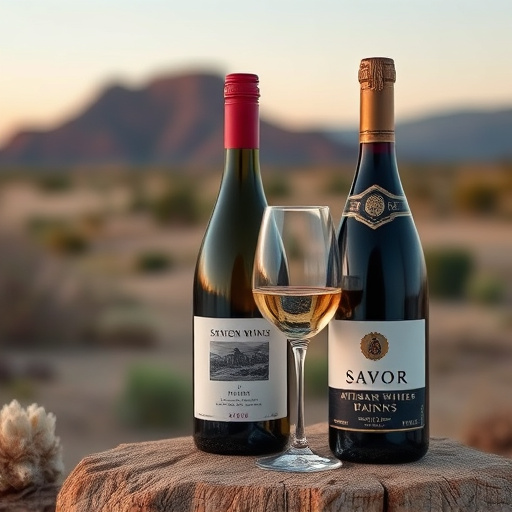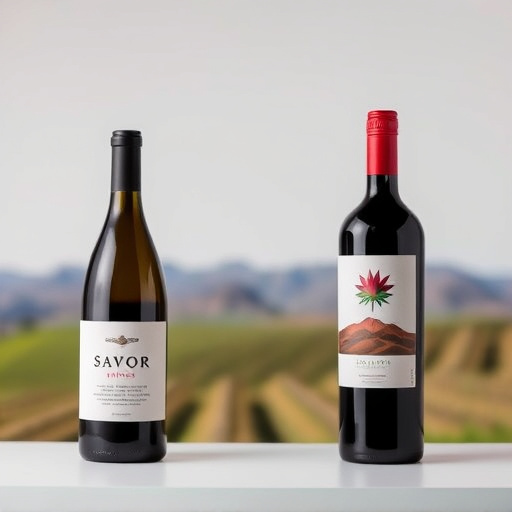
Sonoita, Arizona's high-altitude wine region, renowned for exceptional terroir with cool temperatures and distinct mineral profiles, produces remarkable wines. Elevation (4,000–6,000 feet) leads to slower ripening, balanced acidity, and concentrated flavors. Zinfandels have garnered international acclaim. Wine tasting offers a diverse range of varietals, including Cabernet Sauvignon and Merlot. Guided tours and local wineries highlight unique terroir stories shaped by microclimates and soil structures. High-elevation vineyards (3,500–6,000 feet) enhance grape flavors, particularly in Sauvignon Blanc, Viognier, Syrah, and Grenache. Wine tasting Sonoita naturally provides a sensory education, with staff sharing sustainable practices and traditional methods. Key offerings include robust reds, crisp white wines, and refreshing rosés from smaller, family-owned wineries experimenting with unique blends.
High elevation wines have long captivated enthusiasts for their unique characteristics. Located in the heart of Arizona’s Sonoran Desert, Sonoita is a renowned wine-producing region known for its breathtaking landscapes and exceptional vintages. This remote area, at elevations exceeding 4,000 feet, presents optimal growing conditions for grapevines, resulting in distinctive, high-quality wines. However, navigating the vast array of vineyards and understanding their distinct offerings can be challenging for visitors. This article provides an authoritative guide to savoring these exceptional wines through guided tasting adventures in Sonoita, ensuring a memorable experience for both novices and connoisseurs alike.
- Discovering High Elevation Wine in Sonoita
- The Benefits of Vineyard Tasting Adventures
- Understanding Sonoita's Unique Wine-Making Climate
- Exploring Local Vineyards: A Comprehensive Guide
- Savoring Fine Wines: Tips for a Memorable Experience
- Top Picks from Sonoita's Diverse Wine Offerings
Discovering High Elevation Wine in Sonoita
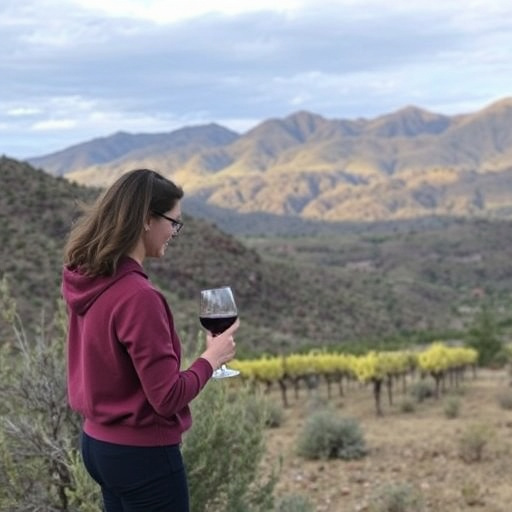
Sonoita, nestled high in the Arizona mountains, has long been renowned for its unique terroir—a factor that significantly influences the character of its wine. High elevation wine tasting in this region offers an unparalleled experience, where winemakers have harnessed the benefits of cooler temperatures and distinct mineral profiles to produce remarkable vintages. This area’s ability to cultivate grapes with balanced acidity and concentrated flavors sets it apart from many other wine-producing regions, making Sonoita a true gem for connoisseurs seeking exceptional wine tasting adventures.
The elevation in Sonoita ranges from 4,000 to 6,000 feet above sea level, which plays a pivotal role in shaping the grapes’ development. This high altitude brings about slower ripening times, allowing grapes to retain their natural acidity while developing complex flavors. As a result, wines from this region often exhibit a crispness and vibrancy that are the envy of winemakers worldwide. For instance, Zinfandels from Sonoita can showcase vibrant fruit notes with hints of blackberry and cherry, complemented by earthy undertones—a signature taste that has garnered international recognition.
When embarking on a wine tasting sonoita journey, visitors should anticipate discovering a diverse range of varietals cultivated in this unique environment. In addition to the renowned Zinfandel, Cabernet Sauvignon and Merlot thrive here, offering robust, age-worthy wines with distinctive character. Sommeliers and enthusiasts alike can indulge in these high elevation wines, appreciating their nuanced flavors and aromas that often reveal stories of the land from which they hail. To truly savor Sonoita’s terroir, consider joining guided tours or visiting local wineries known for their commitment to preserving this region’s distinct wine-making heritage.
The Benefits of Vineyard Tasting Adventures
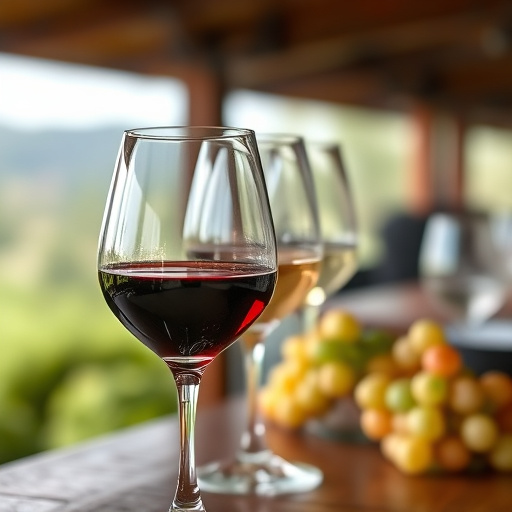
Vineyard tasting adventures offer a unique and immersive experience for wine enthusiasts, particularly those seeking to savor high elevation wines. The benefits extend far beyond mere sensory pleasure; they encompass an educational journey into viticulture, terroir, and the art of winemaking. In areas like Sonoita, known for its distinct microclimates and diverse soil structures, each vineyard tells a story shaped by the specific conditions in which the grapes are grown. This natural variation translates directly into unique flavor profiles within the wine, making every tasting experience a chance to explore the intricate relationship between geography and gastronomy.
For example, a visit to Sonoita’s higher elevation vineyards reveals distinct differences from those at lower levels. The cooler temperatures and increased UV exposure can lead to slower ripening grapes with higher acidity and more concentrated flavors. Wine enthusiasts can directly observe these nuances during tastings, gaining an appreciation for the subtleties that define exceptional wines. Moreover, engaging with vintners and sommeliers on these adventures provides insights into their craft, including sustainable practices, traditional methods, and innovative techniques that contribute to the distinct character of Sonoita wines.
Practical advice for maximizing the benefits of vineyard tasting includes planning visits during optimal times of year when grapes are at their peak ripeness, allowing for a broader range of flavor experiences. Additionally, bringing along a knowledgeable guide or joining guided tours can offer deeper insights into the winemaking process and regional viticulture. Ultimately, these adventures not only enrich one’s palate but also foster a deeper connection to the land and the rich cultural heritage that has nurtured the art of wine production in areas like Sonoita for centuries.
Understanding Sonoita's Unique Wine-Making Climate
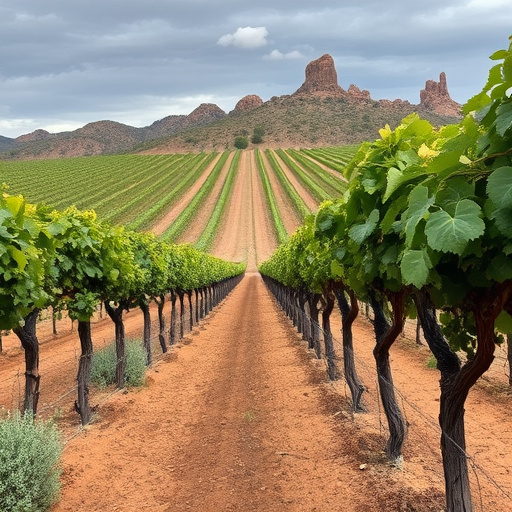
Sonoita, nestled high in Arizona’s Sonoran Desert, presents a unique wine-making climate that distinguishes its wines on the global stage. The region’s elevation, averaging over 4,000 feet above sea level, plays a pivotal role in shaping the terroir, or the distinct character of the land and its produce, including the local grapes. This high altitude offers cooler temperatures compared to lower-lying wine regions, allowing for slower ripening of grape varietals, which translates into enhanced flavors and aromas during fermentation and aging.
The climate is characterized by warm, sunny days followed by cool nights, a dichotomy that slows down the grape’s sugar accumulation while preserving its natural acidity. This balance is particularly evident in the region’s renowned Sauvignon Blanc and Viognier wines, known for their vibrant acidity and complex citrus and floral notes. Additionally, the desert’s dry air reduces moisture content on the grape skins, concentrating flavors and resulting in fuller-bodied reds like Syrah and Grenache.
For wine enthusiasts, engaging in wine tasting Sonoita naturally offers a unique opportunity to appreciate these microclimates. During visits to the numerous local vineyards, you’ll discover that each has its own take on the terroir, leading to a diverse range of wines. Some producers focus on capturing the crisp, refreshing characteristics of the high elevation, while others explore the richer, more robust flavors that come from longer hangtimes on the vine. This diversity is a testament to Sonoita’s ability to nurture an array of grape varieties and styles, making it a must-visit destination for any wine lover interested in understanding how climate shapes flavor.
Exploring Local Vineyards: A Comprehensive Guide
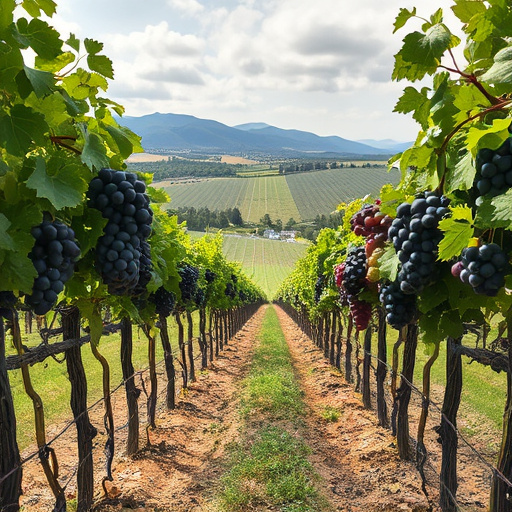
Sonoita, nestled high in Arizona’s Santa Catalina Mountains, is renowned for its exceptional wine-making traditions. Exploring local vineyards offers an immersive experience for connoisseurs seeking unique, high-elevation wines. This comprehensive guide unveils the art of wine tasting Sonoita naturally, providing insights into the region’s terroir and the specialized techniques that cultivate its distinctive flavors.
The altitude at which grapes are grown plays a pivotal role in shaping the wine’s character. Sonoita’s vineyards, situated between 3,500 to 6,000 feet above sea level, benefit from cooler temperatures and reduced sun exposure, allowing for slower ripening and unique chemical interactions within the grape skins. This natural process contributes to the development of complex aromas and flavors that are the hallmark of Sonoita wines. During wine tastings, visitors can anticipate discovering a range of varietals, each offering a distinct profile influenced by the region’s unique climate and soil composition.
To fully appreciate the experience, engage in conversations with vineyard owners and sommeliers who can impart their knowledge about the vines’ journey from vine to glass. Many Sonoita wineries offer educational tours and tastings, providing an opportunity to learn about sustainable farming practices, traditional winemaking methods, and the history of the region’s viticultural heritage. These interactive experiences empower wine enthusiasts to make informed choices during tastings, recognizing the subtle nuances that set each vineyard’s offering apart.
Savoring Fine Wines: Tips for a Memorable Experience
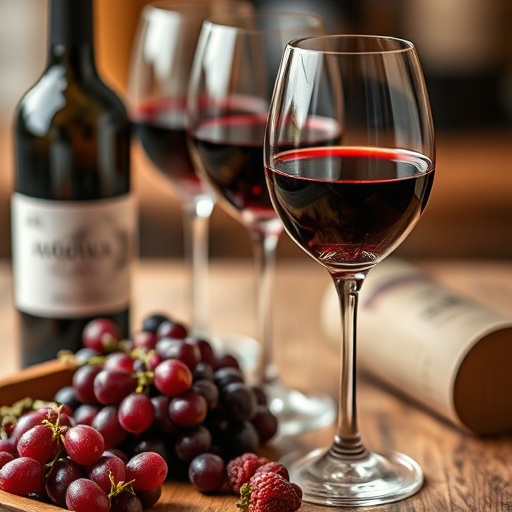
When engaging in wine tasting Sonoita adventures, savoring fine wines goes beyond simply enjoying a drink. It’s an art form, a sensory experience that requires attention to detail and an open mind. To make your vineyard visit truly memorable, focus on engaging all senses during each step of the tasting process.
Start by observing the colors and clarity of the wine. Note its hue and intensity, which can provide clues about its age and grape variety. Swirl the wine gently in your glass to release its aromas; take a deep breath and identify the scents. Is it fruity, floral, earthy, or oaky? The more you practice, the finer nuances you’ll detect naturally. Consider the texture on your palate—is the wine light and crisp or full-bodied and rich? Acidity, sweetness, and tannins also play crucial roles in the wine’s overall character. Pay attention to how each sensation balances against the others.
For a truly immersive experience, engage with the vineyard staff. Ask questions about the wine’s origin, grapes used, and unique characteristics. They often share fascinating stories and insights that deepen your appreciation. Don’t be afraid to express your preferences; knowledgeable pourers can tailor their suggestions to ensure you have a personalized adventure. Remember, the goal is not just to taste but to immerse yourself in the art of wine making, embracing every detail that contributes to the unique profile of each vintage from Sonoita’s vibrant landscape.
Top Picks from Sonoita's Diverse Wine Offerings
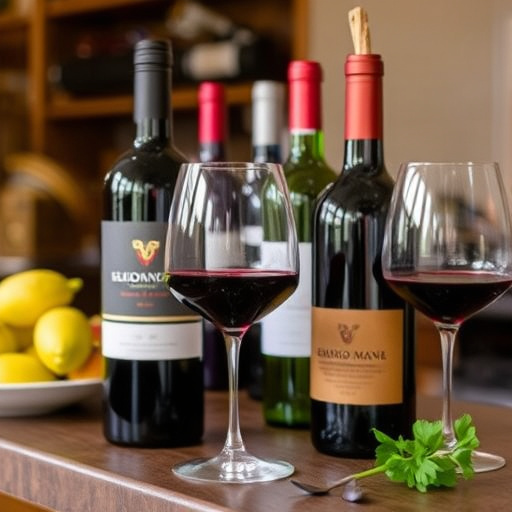
When visiting Sonoita for wine tasting adventures, navigating its diverse vineyard offerings is a must. The high elevation of these vineyards naturally contributes to the exceptional quality of their wines, making it a true haven for connoisseurs. Among the top picks from Sonoita’s extensive collection are robust reds like Syrah and Tempranillo, which thrive in the region’s unique terroir. These full-bodied varieties offer complex flavors that dance on the palate, often showcasing notes of dark fruits, spice, and earthy nuances.
For those who prefer lighter fare, the area’s vibrant selection of white wines is sure to delight. Viognier and Grenache Blanc are standout examples, known for their aromatic profiles and refreshing acidity. These wines provide a delightful contrast to the red classics, offering scents of citrus, apricot, and floral hints. Moreover, Sonoita’s rosés deserve special attention; they are crisp and fruit-forward, perfect for enjoying during warmer months. When partaking in wine tasting sonoita, don’t miss the opportunity to sample these diverse styles, each reflecting the distinct character of their respective vineyards.
To maximize your experience, consider booking tastings at smaller, family-owned wineries that often offer more personalized interactions. These intimate settings allow for deeper insights into the winemaking process and the stories behind each bottle. Additionally, keeping an open mind is key; while traditional varieties thrive here, some producers are experimenting with unique blends and alternative grapes, pushing the boundaries of what makes Sonoita’s wine so special.
By exploring the diverse vineyards of Sonoita and partaking in wine tasting sonoita adventures, you gain a profound appreciation for high-elevation wines. This article has illuminated several key insights: first, the unique climate and terroir of Sonoita foster exceptional wine-making; second, guided vineyard tours offer an enriching experience, enhancing your understanding of wine production; third, savoring fine wines is an art, with tips like focusing on aroma and balance to elevate your tasting journey. As you delve into Sonoita’s offerings, remember that each sip tells a story—a testament to the region’s natural beauty and skilled viticulture. These insights empower you to approach future wine tastings with enhanced knowledge and appreciation for the delicate dance between land, climate, and craftsmanship that creates these remarkable high-elevation wines.