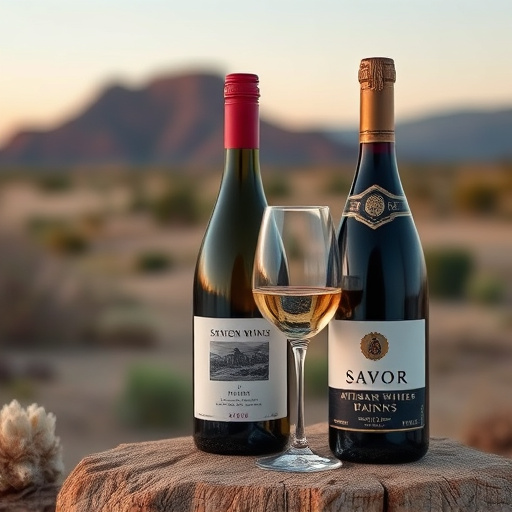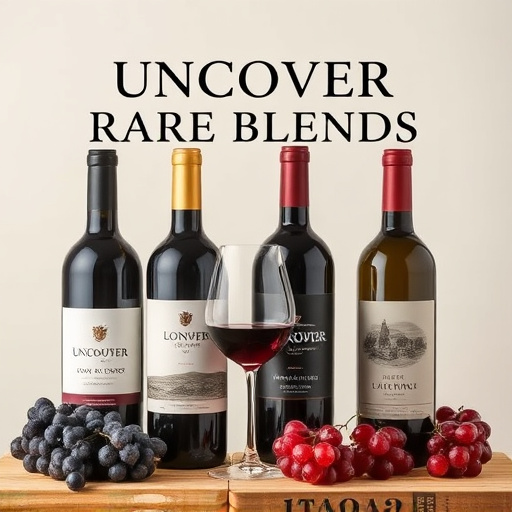
Sonoita's boutique wine tasting rooms offer a unique experience with rare blends, artisanal wines, and historic cellars dating back decades. Intimate spaces host local winemakers showcasing diverse personalities and styles. Focus on small-batch, experimental wines using traditional techniques like native grape varieties and unconventional aging. Plan visits in advance, engage with winemakers, and appreciate storytelling behind each blend. Tastings include vintage Zinfandels and limited-edition Bordeaux blends, offering sensory journeys through time and terroir. Expert sommeliers guide guests, enhancing connection to the region's viticultural history. Immerse yourself by taking notes, engaging with winemakers, and embracing diverse tastes for a deeper appreciation of rare blends in wine tasting Sonoita naturally.
The world of wine is a vast and intricate landscape, with countless regions offering unique terroirs and grape varieties. Among these, Sonoita stands out as a hidden gem for wine enthusiasts seeking rare and exceptional blends. This small yet vibrant town in Arizona’s Sonoran Desert has cultivated a rich viticultural heritage, known for its hot, dry climate that produces distinctive, robust wines. By visiting the town’s boutique tasting rooms and exploring its cellars, aficionados can sample rare blends crafted from locally sourced grapes, offering a truly authentic experience. This guide will navigate you through Sonoita’s wine-tasting scene, highlighting the expertise and treasures awaiting discovery.
- Discover Unique Blends at Sonoita's Boutique Tasting Rooms
- Explore Historic Cellars for Rare Wine Tasting Sonoita
- Immersive Experience: Navigating Rare Blends in Sonoita's Tastings
Discover Unique Blends at Sonoita's Boutique Tasting Rooms
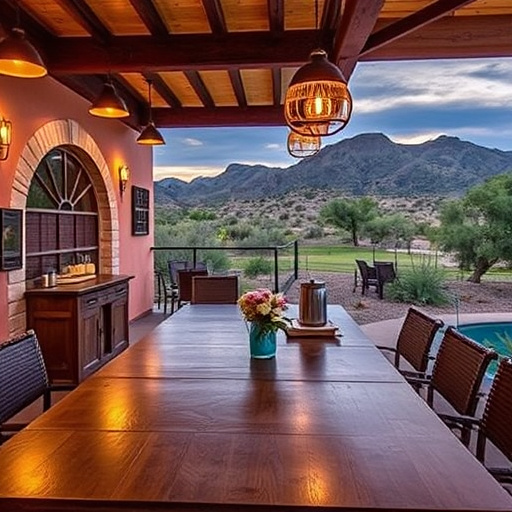
Sonoita’s boutique tasting rooms offer a unique opportunity to sample rare blends that are not easily found elsewhere. These intimate spaces, nestled among the picturesque vineyards, allow visitors to engage with local winemakers who passionately craft their art. Each tasting room boasts its own character, from rustic charm to modern aesthetics, reflecting the diverse personalities of their owners and the wines they produce. This varied landscape provides a rich wine tasting Sonoita experience that caters to every palate and preference.
The focus here is on small-batch, artisanal wines, often blending traditional techniques with innovative ideas. For instance, some winemakers experiment with native grape varieties, like the rare Tempranillo or Grenache, creating distinctive blends that capture the essence of Sonoita’s terroir. Others delve into unconventional aging processes, using oak barrels from different regions to impart unique flavors onto their wines. These experimental blends offer a glimpse into the future of wine making, pushing boundaries and redefining what’s possible within the genre.
Practical advice for navigating these tasting rooms includes planning your visit in advance, as some rooms operate by appointment only. Also, be prepared to engage with the winemakers; they’re often thrilled to share their stories and insights into their crafting process. Tasting room staff typically provide detailed information about each wine, including its blend composition and aging potential. Remember that this is not merely a transaction but an immersive experience designed to deepen your appreciation for the art of winemaking and the unique qualities of Sonoita’s wines.
Explore Historic Cellars for Rare Wine Tasting Sonoita
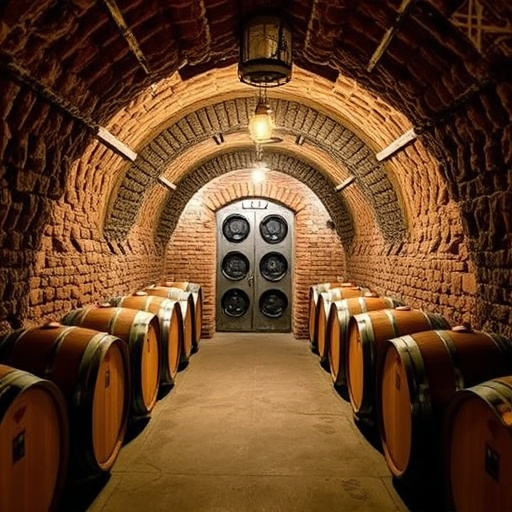
In the heart of Sonoita, Arizona, lies a hidden gem for wine enthusiasts—a network of historic cellars that offer an unparalleled experience in rare wine tasting. These cellar spaces, some dating back decades, provide a glimpse into the region’s rich viticultural history and the art of winemaking. Here, visitors can embark on a sensory journey through time, sampling blends that are not readily available elsewhere. The charm lies in the authenticity; each vintage tells a story of the terroir and the craftsmanship behind it.
Sonoita’s boutique tasting rooms excel in showcasing these rare finds, curating an extensive selection from local and international wineries. Expert sommeliers guide guests through the process, offering insights into the unique characteristics of each wine. Tasting rooms often feature exposed brick walls and rustic wooden tables, reflecting the region’s historic character. This ambiance enhances the connection to the past, allowing patrons to appreciate not just the taste but also the history behind every sip. For instance, visitors can discover vintage Zinfandels from the early 1980s, a time when Sonoita was pioneering its wine industry, or indulge in limited-edition Bordeaux blends that showcase the region’s growing sophistication.
When engaging in wine tasting Sonoita naturally offers, it’s essential to approach each experience with an open mind and curious palate. The cellars’ diverse offerings range from robust reds to delicate whites, with some producers experimenting with organic and biodynamic farming methods. This variety ensures that each visit presents a unique opportunity to discover hidden gems. Additionally, many wineries offer vertical tastings, allowing enthusiasts to compare different vintages of the same wine, which can be a profound experience for those passionate about understanding a region’s evolution over time.
Immersive Experience: Navigating Rare Blends in Sonoita's Tastings
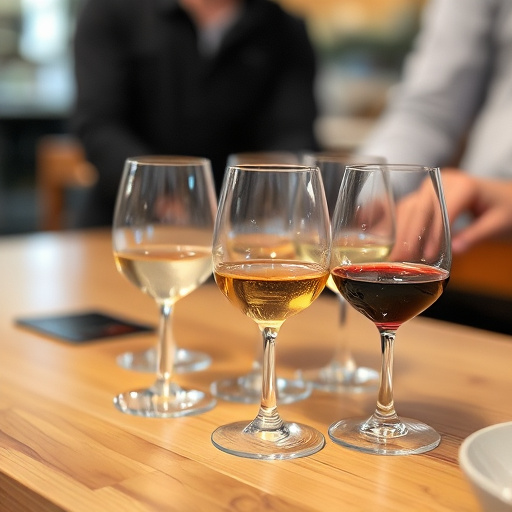
Sonoita’s boutique tasting rooms and cellars offer a unique opportunity to immerse oneself in the art of rare blends. Unlike mass-produced wines, these artisanal creations demand a deeper appreciation, one that is cultivated through immersive wine tastings. Each blend tells a story, woven from carefully selected grapes, innovative techniques, and the passion of craft winemakers. When you sample these rare concoctions, you’re not just trying wine; you’re navigating a symphony of flavors, textures, and aromas that challenge your palate and enrich your sensory experience.
The process begins with an introduction to the winemaker’s philosophy, often shared during an intimate tasting session. This knowledge allows you to anticipate and appreciate each sip, understanding how different varietals and aging processes contribute to the final product. For instance, a blend from a high-altitude vineyard might exhibit vibrant acidity and unique floral notes, while another from a warmer climate could boast rich, complex flavors of dark fruits and spice. By embracing this contextual awareness, you unlock a deeper connection with the wine, transforming a mere tasting into a truly immersive experience.
Practical advice for maximizing your immersion? Arrive prepared to take notes, as each rare blend deserves thoughtful consideration. Engage with the winemaker if possible; their insights can offer invaluable context and deepen your understanding of the crafting process. And remember, wine tasting in Sonoita is not just about finding your favorite—it’s about exploring a diverse landscape of tastes, where every sip unveils a new layer of complexity. This approach not only enhances your appreciation for rare blends but also cultivates a genuine love for the art and science behind them.
By exploring Sonoita’s boutique tasting rooms and historic cellars, wine enthusiasts can embark on a unique journey, sampling rare blends that tell the story of this vibrant wine landscape. This article has highlighted the importance of immersing oneself in the local experience, navigating the intricate world of rare blends through specialized tastings. Key insights include the value of discovering uncommon varieties and historic vintages, which are often preserved in these hidden gems. For those seeking an authentic adventure, vino enthusiasts should take a dive into Sonoita’s rare wine offerings, where each sip becomes a testament to the region’s rich history and culinary tapestry. This authoritative guide encourages readers to prioritize these exclusive experiences during their next visit, ensuring they leave with indelible memories and a deeper appreciation for the art of wine tasting in Sonoita.