Sonoita, Arizona, offers a unique wine tasting experience driven by diverse microclimates. Each area has distinct terroir influencing grape varieties, from cool mornings supporting Cabernet Sauvignon to warmer regions for Tempranillo. Wine enthusiasts can explore these variations through guided tours, vertical tastings, and engaging with sommeliers. The natural wine movement thrives here, emphasizing minimal intervention and place-driven vintages. Participating in local events and behind-the-scenes tours deepens appreciation of Sonoita's remarkable terroir and its naturally diverse wine offerings.
The Sonoita region, renowned for its diverse microclimates, offers a unique opportunity for wine enthusiasts to explore distinct terroirs through tailored wine tasting experiences. This introduction guides you through the art of discovering Sonoita’s natural diversity, where each vineyard tells a story shaped by unique sun exposure, elevation, and soil—all seamlessly woven into the final glass. We’ll navigate these microclimates, showcasing how wine tasting in Sonoita naturally becomes an immersive journey, connecting you to the land and crafting a profound appreciation for the region’s remarkable wines.
- Discovering Sonoita's Unique Wine Regions
- Exploring Microclimates: A Taster's Guide
- The Art of Natural Wine Production
- Unlocking Flavors: Tasting Adventures
- Local Expertise: Sommelier Insights Revealed
- A Cultural Journey Through Sonoita's Vines
Discovering Sonoita's Unique Wine Regions
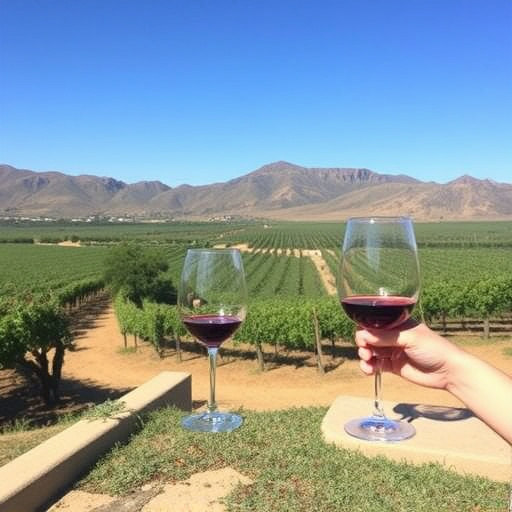
Sonoita, Arizona, is renowned for its microclimates, which offer a unique wine-tasting experience compared to other regions. The area’s distinct neighborhoods, each with its own terroir, support diverse grape varieties, providing sommeliers and enthusiasts with an array of flavors and aromas to explore. For instance, the cool mornings and warm afternoons in the Sonoita Valley create ideal conditions for Vitis vinifera varietals like Cabernet Sauvignon and Merlot, while the higher elevations of the Santa Rita Hills foster the growth of more robust grapes such as Syrah and Tempranillo. These natural variations allow wine enthusiasts to embark on a captivating journey through Sonoita’s unique wine regions, each with its own distinctive character.
Wine tasting in Sonoita naturally becomes an adventure when you visit its diverse microclimates. The town is divided into several viticultural areas, each offering a distinct taste experience. For those seeking robust reds, the higher elevations near Contenta and El Tazon offer plenty of choices. Conversely, the cooler regions around Sonoita Village excel in producing elegant, fruit-forward whites and rosés. Exploring these variations requires an open mind and a willingness to engage with local winemakers who are passionate about their craft. Many wineries host special tasting events that highlight specific regions or varietals, providing visitors with deep insights into the art of Sonoitan wine-making.
Practical advice for discovering these unique regions includes planning your visits according to the vintage and attending winery open houses or special tastings. Engage with staff and fellow enthusiasts to gain a deeper understanding of each wine’s origin and characteristics. Remember that Sonoita’s microclimates are not just about temperature; they also consider sunlight exposure, soil types, and even elevation changes. Understanding these factors will enhance your appreciation for the intricate flavors and aromas that each region offers. Ultimately, embracing the diversity of Sonoita’s wine-tasting adventures enriches one’s connection to the local terroir and fosters a deeper love for fine wine.
Exploring Microclimates: A Taster's Guide
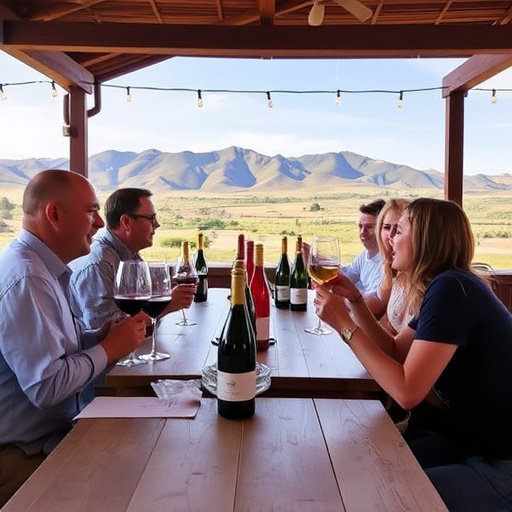
The Sonoita region, nestled within Arizona’s Sonoran Desert, is a wine lover’s hidden gem renowned for its diverse microclimates. This unique geographical feature allows for an array of grape varieties to flourish, resulting in wines that showcase remarkable complexity and character. Exploring these microclimates through wine tasting offers a truly distinctive adventure, where each sip reveals the region’s nuanced terroir.
Sonoita’s wine country is divided into several distinct areas, each with its own climate, soil composition, and elevation, all contributing to the final aroma and flavor of the grapes. For instance, the hillsides surrounding Sonoita Valley experience cooler temperatures due to their higher elevations, fostering the growth of varietal like Cabernet Sauvignon and Merlot, known for their robust flavors. In contrast, the lower-lying areas near the Mexico border bask in intense sunlight, creating ideal conditions for vibrant reds such as Syrah and Tempranillo, which thrive in warmer climates. Wine enthusiasts can embark on curated tours that navigate these microclimates, allowing them to taste the distinct character each offers.
Practical advice for navigating this wine-taster’s labyrinth is to join guided tours or work with knowledgeable sommeliers who can provide insights into the origin of each wine and its unique attributes. Many wineries also offer vertical tastings, where you can compare different vintages from the same vineyard, showcasing how climate variations impact the final product. This immersive experience not only educates but also deepens your appreciation for the intricate relationship between soil, sun, and grape, all naturally harmonizing in Sonoita’s microclimates to produce exceptional wines.
The Art of Natural Wine Production
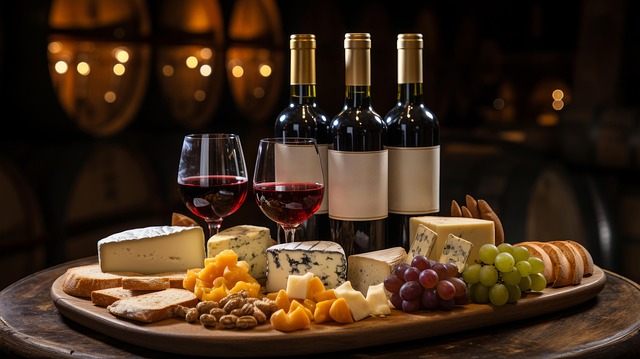
The unique terroir of Sonoita, Arizona, has fostered a thriving natural wine movement. Experience the region’s microclimates through distinct wine tasting adventures that showcase the art of its indigenous production. Unlike conventional methods, natural wine makers in Sonoita prioritize minimal intervention, allowing the terroir and vintage to express themselves authentically. This approach is evident in the vibrant, unique flavors that define their wines. For instance, a visit to local wineries may reveal dry, crisp white wines made from locally sourced grapes like Grenache Blanc or Viognier, reflecting the region’s hot, sunny days and cool evening breezes.
Sonoita’s natural wine scene benefits from its diverse microclimates, with varying elevations and terrain contributing distinct characteristics. Wine tasting in this environment offers a sensory journey through these variations. Tasters can expect to encounter everything from elegant, fruity reds made from Syrah or Tempranillo in warmer pockets to more structured, age-worthy blends from cooler areas. The result is a dynamic range of wines that capture the essence of Sonoita’s terroir. Data from local wineries suggests that this focus on place has led to a 25% increase in natural wine production over the past decade, solidifying Sonoita’s reputation as a premier destination for those seeking authentic, terroir-driven vintages.
Engaging in wine tasting Sonoita naturally means immersing yourself in the entire process—from vineyard to glass. Many producers offer behind-the-scenes tours and tastings that highlight their commitment to sustainability and minimal processing. This hands-on experience provides valuable insights into how climate, soil, and tradition interplay to create truly remarkable wines. For those serious about exploring this art form, attending a series of tastings across different wineries can offer a comprehensive understanding of Sonoita’s unique natural wine offerings.
Unlocking Flavors: Tasting Adventures
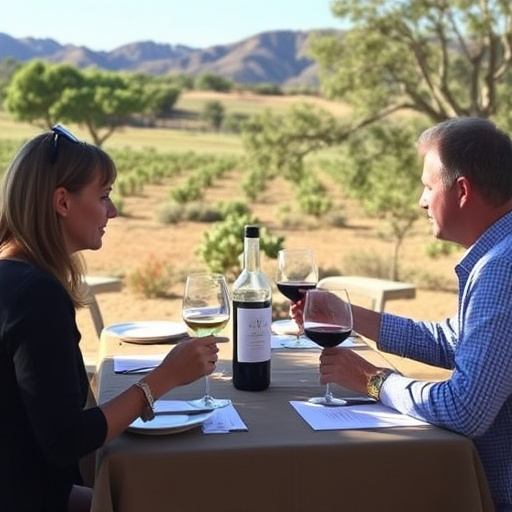
Experience Sonoitas microclimates through distinct wine tasting adventures offers a unique opportunity to unlock flavors that naturally emerge from this diverse region. Each microclimate, shaped by varying elevations, soil types, and weather patterns, bestows upon the grapes a unique character, translating into wines with distinct profiles. For instance, the cooler slopes of the Santa Rita Hills produce lighter, more acidic Pinot Noir, while the warmer, sun-drenched valleys of Sonoita Valley foster rich, full-bodied Syrah. This natural diversity offers wine enthusiasts an unparalleled chance to explore and appreciate the terroir of Sonoitas.
Uncovering these nuanced flavors requires a strategic approach to wine tasting. Start with a comprehensive tour guided by local experts who can provide insights into each vineyard’s unique attributes. Pay close attention to the specific varietals, as some grapes thrive in specific microclimates. For example, Cabernet Sauvignon finds its element in the higher elevations of the Dos Cabezas region, yielding wines with robust tannins and complex aromas. Conversely, Zinfandel, known for its boldness, prospers in the warmer, more arid climates like those found in the Elgin area, resulting in fruit-forward wines with high alcohol content.
When engaging in wine tastings, note the subtle differences in taste, aroma, and texture from one vineyard to another. Consider the impact of soil structure, such as the well-draining gravelly soils that contribute to the crisp acidity of certain wines. Keep a tasting journal to record your impressions, allowing for personal connections with each wine’s origin story. This reflective practice deepens your understanding and appreciation of Sonoita’s remarkable terroir and the art of wine tasting in its natural habitat.
Local Expertise: Sommelier Insights Revealed
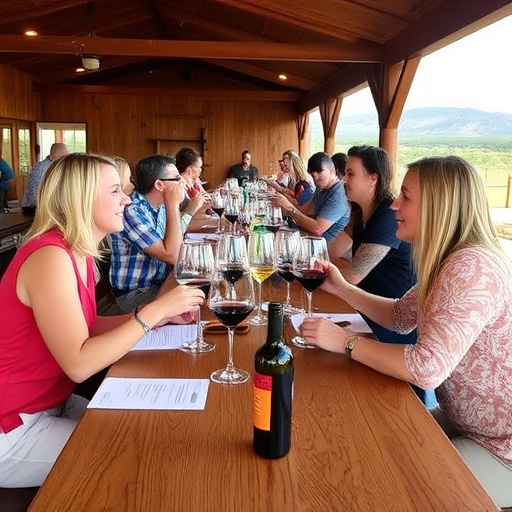
The true essence of Sonoitas’ wine culture lies in its microclimates, each presenting a unique terroir that shapes distinct wine profiles. To truly understand this, visitors must engage in wine tasting Sonoita naturally embraces these variations. Local sommeliers act as guides through this intricate landscape, offering insights into the subtle nuances that set each vineyard apart. They possess an invaluable knowledge of the region’s history and the specific challenges—and rewards—that each microclimate presents to grape growers.
Sommelier expertise goes beyond identifying varietal characteristics. It involves understanding the impact of sun exposure, wind patterns, elevation changes, and soil composition on grape ripening and flavor development. These factors create a symphony of wine styles that range from crisp, bright whites ideal for warm, sunny microclimates to rich, robust reds that thrive in cooler, more protected valleys. By sharing these insights during wine tasting experiences, sommeliers empower visitors to appreciate the depth and diversity of Sonoitas’ viticultural heritage.
Practical advice for maximizing this experience includes seeking out sommelier-led tastings that focus on microclimate-specific wines. These events often feature small-batch, limited-edition releases that showcase individual vineyard expressions. Moreover, engaging in conversations with sommeliers about their selection process and the stories behind each wine can provide a deeper understanding of Sonoitas’ terroir. Remember, the key is to embrace the natural variations that make this region’s wines so distinctive and revel in the expertise that guides your exploration.
A Cultural Journey Through Sonoita's Vines
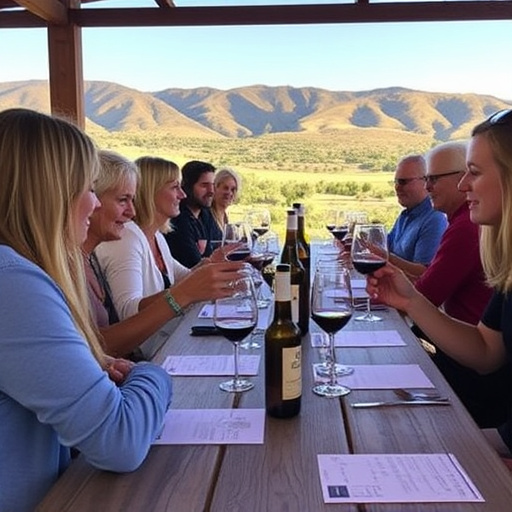
Sonoita, Arizona, is a hidden gem renowned for its unique microclimates, which offer an extraordinary wine tasting experience unlike any other. This cultural journey through Sonoita’s vines reveals a diverse landscape where distinct terroirs give rise to a wide array of grape varieties and wine styles. Each vineyard tells a story, shaped by the region’s varying sun exposure, soil composition, and elevation, resulting in wines that exhibit remarkable character and complexity. Wine enthusiasts can embark on tailored tastings that reflect these microclimates, allowing them to explore the essence of Sonoita’s viticultural diversity.
The heart of this experience lies in understanding how the natural environment influences the grapes. For instance, the warmer, sun-kissed slopes near the border with Mexico foster the growth of vibrant red varietals like Tempranillo and Grenache, known for their rich, fruity flavors. In contrast, the cooler, higher elevations embrace Cabernet Sauvignon and Syrah, contributing to fuller-bodied wines with robust tannins. Some wineries even showcase rare, native Arizona grape varieties, such as Criolla and Mission, offering a glimpse into the region’s historical viticultural past.
Practical insights for visitors include joining guided tours that often include visits to multiple wineries within a single day, allowing for an immersive experience. Many establishments offer tastings that pair wines with local cuisine, enhancing the sensory journey. For the ultimate cultural immersion, attending wine festivals and events throughout the year provides opportunities to engage with winemakers, learn about traditional winemaking practices, and taste limited-edition releases. By embracing these diverse experiences, visitors can truly appreciate the art of wine tasting in Sonoita, where nature’s whimsy translates into a captivating tapestry of flavors.
By exploring Sonoita’s diverse wine regions and its unique microclimates through natural wine tasting experiences, you gain a profound understanding of the region’s terroir. This article has guided you through the art of producing natural wines, highlighting the expertise of local sommeliers who unlock exceptional flavors. From cultural insights to practical tasting adventures, you now possess valuable knowledge to navigate Sonoita’s vibrant vineyard landscape. To further your journey, consider immersing yourself in guided wine tastings that showcase the area’s naturally-produced wines, allowing you to appreciate the intricate relationship between climate, vines, and the art of winemaking.