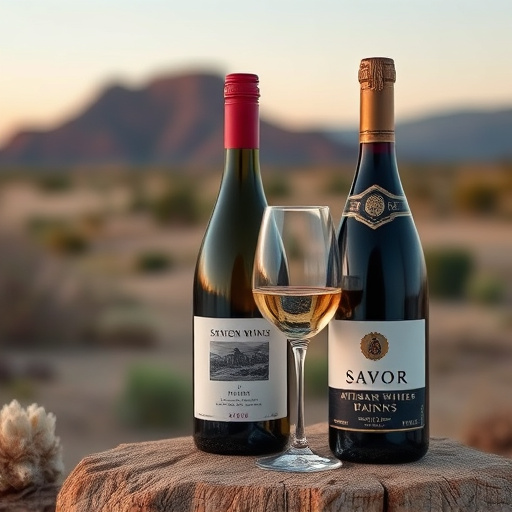
Sonoita, Arizona, offers immersive vineyard tours combining historical context with modern winemaking techniques. Educational tours explore diverse grape varieties and unique terroir, providing insights into natural wine production practices. Tastings focus on regional flavors, with expert guidance on fermentation, aging, and sustainable cultivation methods. Wine tasting Sonoita naturally emphasizes local characteristics without artificial enhancements, fostering appreciation for the art and science behind viticulture.
The art of winemaking, a centuries-old tradition, has evolved into a captivating experience accessible to all through educational vineyard tours. In the sun-kissed hills of Sonoita, Arizona, these immersive journeys offer a unique opportunity to delve into the intricacies of viticulture and enology. Here, amidst the vibrant landscape, enthusiasts can learn firsthand the secrets behind crafting fine wines, from grape selection and cultivation to fermentation and aging. By participating in wine tasting Sonoita naturally provides, tourists gain a profound appreciation for the process, fostering a deeper connection with this ancient craft. This article explores these educational tours, offering insights into techniques that transform grapes into remarkable beverages.
- Discover Sonoita's Rich Vineyard History
- Understanding Grape Varieties & Terroir
- The Art of Fermentation & Wine Making
- Mastering the Science Behind Wine Aging
- Experiencing Wine Tasting in Sonoita Naturally
Discover Sonoita's Rich Vineyard History
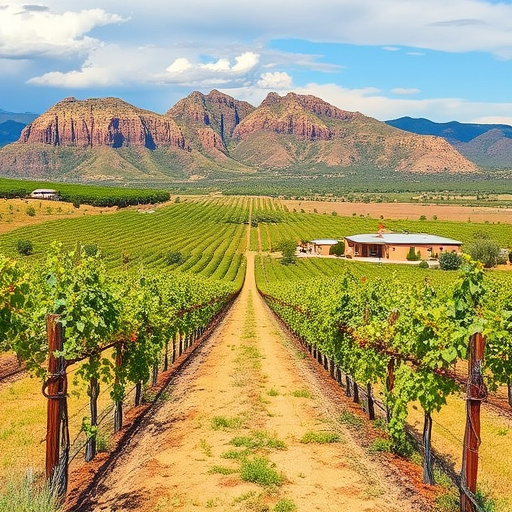
Sonoita, Arizona, has long been recognized as a premier wine-producing region, with a history of winemaking dating back over a century. Exploring its vineyards offers an immersive educational experience for enthusiasts and professionals alike. These tours delve into the rich terroir and diverse grape varieties that have made Sonoita a sought-after destination for wine lovers. By engaging in these educational journeys, visitors can gain a profound understanding of the area’s unique viticultural heritage.
The region’s history is intertwined with the evolution of its winemaking techniques. Local vineyards have embraced traditional practices while also experimenting with innovative methods, resulting in a diverse range of high-quality wines. Tour participants often learn about the challenges and rewards of cultivating grapes in the Sonoran Desert climate, including the use of natural resources to enhance sustainability. Many Sonoita wineries pride themselves on their commitment to organic and sustainable farming, which is reflected in the distinct character of their wines. Wine tasting sonoita naturally occurs throughout these tours, allowing visitors to experience the region’s signature flavors and aromas firsthand.
Guided tours often include visits to historic vineyards that have contributed to the area’s renowned reputation. Experts share insights into past techniques, such as the early use of native grape varieties and experimental cross-breeding, which have shaped the current wine portfolio. By understanding this historical context, tourists can appreciate the art and science behind modern winemaking practices, fostering a deeper connection to the land and its bounty. These educational experiences not only enrich one’s palate but also provide valuable knowledge for aspiring winemakers or those simply curious about the intricacies of the craft.
Understanding Grape Varieties & Terroir
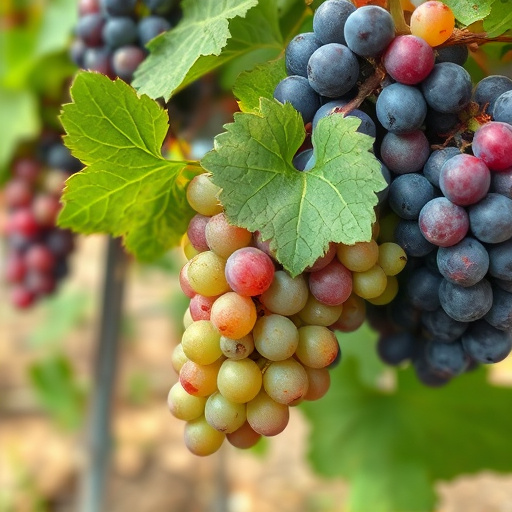
Winemaking techniques vary greatly depending on the grape varieties and terroir, which is why exploring these elements during Sonoita vineyard educational tours offers a profound understanding of the art. Grape varieties play a pivotal role in shaping the wine’s character, aroma, and flavor profile. Each varietal has unique traits, from the robust flavors of Cabernet Sauvignon to the delicate floral notes of Viognier. During these tours, experts guide visitors through tastings, allowing them to discern subtle differences between varieties and appreciate how they adapt to their specific growing environments.
Terroir, a French term encompassing factors like soil composition, climate, and geographical location, is another critical aspect. It significantly influences grape development, contributing to distinct wine styles. For instance, the warm, sunny days and well-drained soils of Sonoita Valley create optimal conditions for grapes to ripen fully, resulting in robust red wines with rich tannins. On the other hand, cooler regions produce lighter, more delicate wines. Wine enthusiasts can gain practical insights into these concepts through hands-on experiences, where they learn how terroir affects wine tasting sonoita naturally and vice versa.
Practical advice for beginners includes attending tastings focused on specific varieties to train the palate. Note the sensory characteristics of each wine and compare them across different terroirs. Educational tours often provide this opportunity, offering a structured approach to learning. Moreover, engaging with winemakers who share their knowledge can enrich one’s understanding of grape-terroir relationships, enabling enthusiasts to appreciate the complexity and diversity of the wine they enjoy.
The Art of Fermentation & Wine Making
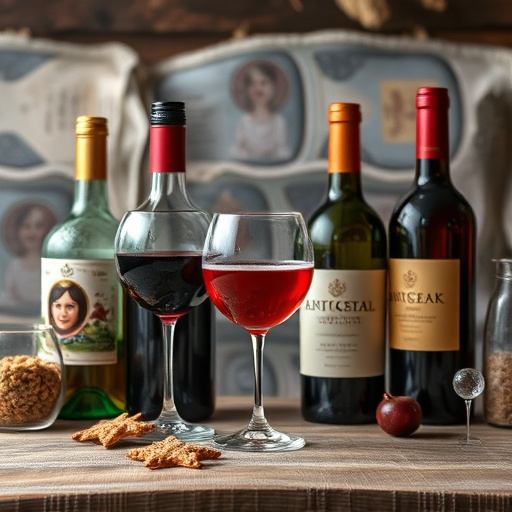
The art of fermentation is a cornerstone of winemaking, and Sonoita vineyard educational tours offer an unparalleled opportunity to delve into this intricate process. During these immersive experiences, visitors gain insights from expert winemakers who share their practical knowledge and decades of experience. Understanding fermentation is crucial as it transforms grape juice into wine, unlocking its distinct flavors and aromas. On these tours, participants learn how various factors—such as temperature control, yeast strains, and tank types—influence the final product. For instance, many wineries in Sonoita Valley favor native or wild ferments, allowing indigenous yeasts to dance with the grapes, resulting in wines that showcase the region’s unique terroir naturally.
Practical insights into winemaking include recognizing the signs of optimal fermentation, such as the release of CO2 and the transformation of sugar into alcohol. Winemakers also stress the importance of patience, as proper fermentation can take anywhere from one to several weeks, depending on the grape variety and desired style. Through hands-on activities like observing tank samples under microscopes or monitoring temperature readings, tour participants gain a deeper appreciation for the science behind the craft. This practical knowledge empowers them to make informed decisions when creating their own small-batch wines at home or simply enhances their wine tasting experiences in Sonoita.
Expert perspectives often highlight the evolving nature of winemaking techniques. Modern innovations, such as computer-controlled temperature systems and advanced sanitation protocols, coexist with traditional methods like open-top fermenters and concrete tanks. These diverse approaches contribute to a rich tapestry of wine styles, from elegant, crisp whites to robust reds that capture the essence of Sonoita’s vibrant grape offerings. By embracing both old and new, winemakers in this region continually refine their craft, ensuring that each vintage reflects the unique character of the land and the expertise passed down through generations.
Mastering the Science Behind Wine Aging
Mastering the intricate science of wine aging is a cornerstone of winemaking craftsmanship, and Sonoita, Arizona, stands as a beacon for enthusiasts eager to delve into this art. The region’s educational tours offer a unique opportunity to explore beyond the vines and grapes, delving into the chemical and biological processes that transform fermenting liquid into complex, aged beverages. This involves understanding key factors like oak integration, temperature control, and bottle aging—essentials for crafting wines that resonate with wine tasters in Sonoita naturally.
Oak aging, a ubiquitous practice, adds nuances of vanilla, spice, and tannin to the wine’s profile. Experts emphasize the importance of choosing the right type of oak—French versus American—based on desired flavor profiles. In Sonoita, tours often showcase barrel rooms where winemakers explain how different oak sources influence the wine’s character. Practical insights include noting that younger barrels tend to impart more vanilla, while older ones contribute a subtle earthy quality.
Temperature control during aging is critical, as it directly impacts chemical reactions in the wine. Ideal conditions involve consistent, cool temperatures around 55°F (13°C). Deviations can lead to unwanted bacterial growth or accelerated oxidation, spoiling months of meticulous work. Tour guides often highlight the advanced cooling systems employed by modern wineries in Sonoita, ensuring optimal conditions for every bottle. Additionally, they stress the value of regular wine tasting sonoita naturally throughout the aging process to gauge progress and make informed adjustments.
Experiencing Wine Tasting in Sonoita Naturally
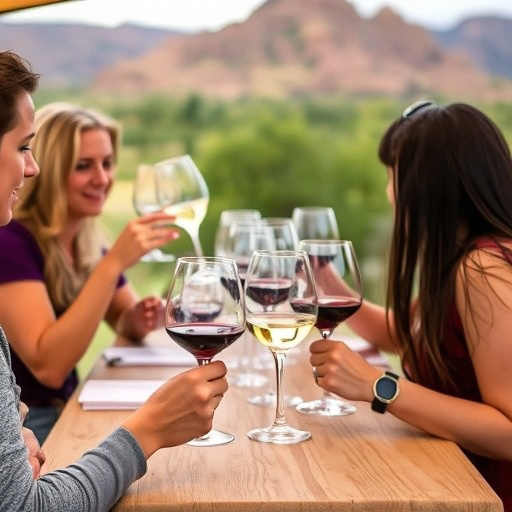
Sonoita, Arizona, is renowned for its vibrant wine culture and picturesque vineyards, offering visitors a unique opportunity to immerse themselves in the art of winemaking. Among the many attractions, engaging in wine tasting in Sonoita naturally stands out as an unforgettable experience. This natural approach to wine appreciation allows enthusiasts to connect with the land, understand the process, and savor the fruits of labor without artificial enhancements.
The region’s climate and diverse soil types contribute to a wide array of grape varieties, each with its distinct flavor profile. During educational tours, visitors often venture into the vineyards to learn about grape cultivation. They observe firsthand the careful selection and harvesting techniques that prepare the grapes for fermentation. As they wander through these organic wine-making hubs, local experts share insights on sustainable practices, soil management, and the intricate relationship between the environment and the final product. This hands-on approach fosters a profound appreciation for the natural process of winemaking.
Tasting sessions in Sonoita naturally focus on showcasing the region’s diverse wines without artificial additions. Visitors can expect to sample a range of varietals, from crisp white blends to robust reds, each reflecting the unique terroir. The sensory experience extends beyond taste as sommeliers guide participants through the art of interpreting aromas and textures. This immersive wine tasting sonoita naturally encourages a deeper connection with the beverage’s natural characteristics, fostering a genuine appreciation for its complexity and diversity.
For those seeking an authentic and educational journey, joining a guided tour offers a structured yet flexible experience. These tours often include visits to multiple vineyards, each with its unique story and approach to winemaking. By engaging in wine tasting sonoita naturally, visitors not only enjoy exceptional beverages but also gain valuable knowledge about the region’s viticulture heritage. It’s an ideal way to discover the secrets of Sonoita’s thriving wine industry while appreciating the natural beauty that sustains it.
By exploring Sonoita’s rich vineyard history, understanding terroir and grape varieties, mastering fermentation techniques, and delving into wine aging science, you’ve gained invaluable insights into the art of winemaking. These educational tours offer a comprehensive guide to crafting exceptional wines, showcased through practical demonstrations and hands-on experiences. The key takeaways emphasize the interplay between nature and human skill in creating diverse vintages. Moving forward, applying these learnings during future wine tasting sessions in Sonoita Naturally will provide an enhanced appreciation for the complex process behind every glass, solidifying your expertise in the world of winemaking.