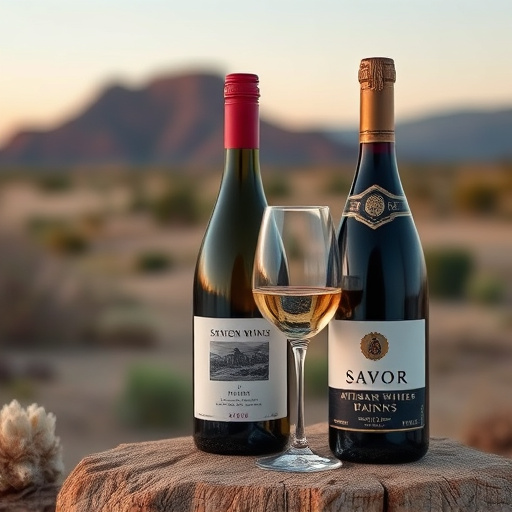
Sonoita, Arizona, excels as a premier wine region due to its unique terroir shaped by diverse microclimates, varied elevations, and distinct soil types. These factors contribute to complex grape development and a tapestry of wine characteristics. Local guides emphasize the significance of understanding this terroir through wine tastings, showcasing the region's ability to produce distinctive, high-quality wines. Wine tasting in Sonoita naturally reveals terroir-driven nuances, providing an immersive experience that transcends varietal knowledge.
The Sonoran Desert’s hidden gem, Sonoita, Arizona, has emerged as a dynamic wine region, captivating enthusiasts and sommeliers alike. Its unique terroir, shaped by the desert’s scorching sun and distinctive mineral-rich soils, imparts complex flavors in its grapes. Understanding this terroir is key to appreciating the area’s exceptional wines, especially during memorable wine tastings in Sonoita. This article delves into the expertise of local guides who navigate these vineyards, uncovering the secrets that make Sonoita a standout destination for connoisseurs seeking authentic desert wine experiences.
- Unlocking Sonoita's Unique Terroir: Expert Insights
- Exploring the Wine-Friendly Climate of Sonoita
- Understanding Soil to Sip: Sonoita's Natural Wonders
- Tasting Beyond the Varietals: A Sensory Journey
- Navigating Wine Guides for Authentic Sonoita Experiences
Unlocking Sonoita's Unique Terroir: Expert Insights
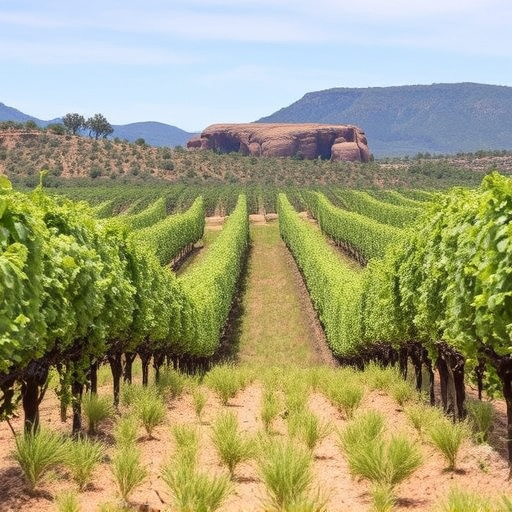
Sonoita’s terroir is a captivating subject for wine enthusiasts and sommeliers alike. This region, nestled within Arizona’s Sonoran Desert, boasts a unique set of environmental factors that contribute to its distinctive wine character. Expert local wine guides highlight several key elements that make Sonoita stand out in the world of viticulture.
The area’s diverse microclimates play a pivotal role in shaping the terroir. Varied elevations and surrounding mountain ranges create pockets of differing temperature and wind patterns, allowing for a wide range of grape varieties to thrive. This diversity is particularly evident during the growing season, where days can be hot and sunny, followed by cooler nights, promoting slow ripening and complex sugar-acid balance in the grapes. For instance, some vineyards report temperatures exceeding 100°F during the day, while nighttimes remain cool, a stark contrast that influences grape development significantly.
Soil composition is another critical aspect of Sonoita’s terroir. The region’s soil types vary from sandy loams to more clay-rich bases, each offering unique drainage and nutrient retention properties. These variations encourage distinct wine characteristics, with some vines expressing vibrant acidity and others showcasing richer, fuller bodies. Wine tastings in Sonoita naturally reveal these nuances, as visitors can experience the subtle differences between vineyards located on higher elevations with well-draining soils versus those situated in lower areas with slightly more moisture retention.
Local guides emphasize that understanding this terroir is key to appreciating the region’s wines. They encourage visitors and enthusiasts to engage in wine tastings across various Sonoita vintages and vineyards to truly grasp the complexity. By experiencing the subtle shifts in flavor profiles, one can gain a deeper connection to this unique terroir and its impact on the final product. This knowledge not only enhances the wine-tasting experience but also positions Sonoita as a game-changer among desert wines.
Exploring the Wine-Friendly Climate of Sonoita
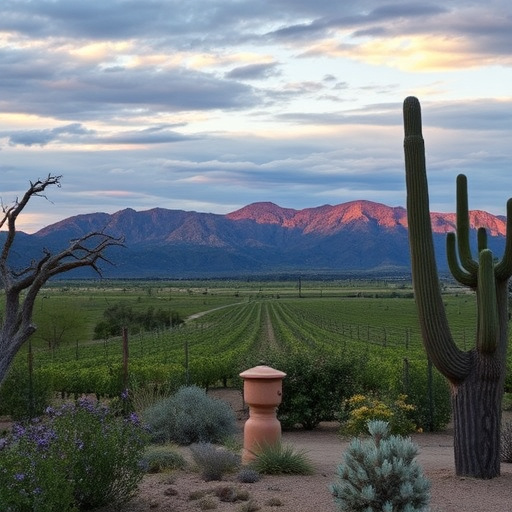
Sonoita, Arizona, is renowned not just for its picturesque landscapes but also for its exceptional terroir, making it a haven for wine enthusiasts. The region’s unique climate, characterized by long sunny days and cool nights, sets the perfect stage for grapevines to thrive. This microclimate varies across different elevations, providing a diverse range of growing conditions that translate into an equally varied array of wines. Local experts highlight that the area enjoys approximately 300 days of sunshine annually, allowing grapes to mature fully while preserving delicate aromas and flavors.
The wine-friendly climate in Sonoita is a result of its geographical location and topographical features. Nestled among mountains, the region benefits from natural protection against extreme weather conditions. Cool mountain breezes mitigate excessive heat during the day, and these temperatures drop significantly at night, creating an ideal temperature swing that slows ripening, enabling grapes to develop complex flavors. This is particularly evident in the local varietals like Grenache, Syrah, and Viognier, which flourish in this environment. Wine guides suggest exploring Sonoita through guided tours and tastings to experience these nuances firsthand.
For those planning a visit, engaging in wine tasting sonoita naturally should be at the top of the itinerary. The area’s diverse vineyards and wineries offer a chance to sample distinct wines that reflect the terroir. Visiting during the spring or fall can provide milder temperatures, ideal for outdoor wine appreciation. Experts recommend allocating ample time to wander through the vineyards, learn about the vines, and, most importantly, taste the unique expressions of Sonoita’s terroir. This immersive experience allows visitors to gain a deeper understanding of how climate shapes the character of each glass.
Understanding Soil to Sip: Sonoita's Natural Wonders
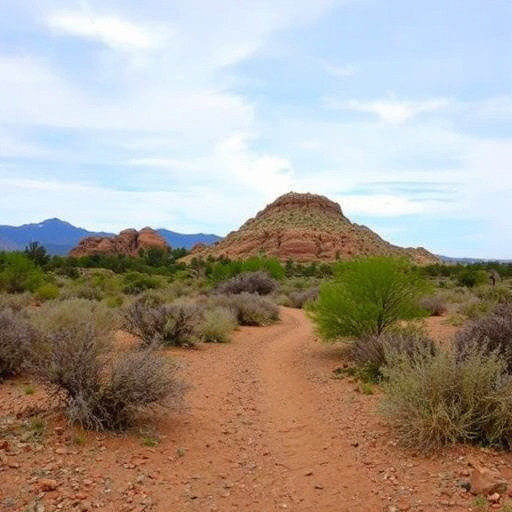
Sonoita’s terroir is a fascinating study of nature’s art, where the soil meets the vine to craft wines unique to this region. Understanding the intricate relationship between the land and wine production offers a profound appreciation for Sonoita’s natural wonders. The area boasts diverse soil types, each with distinct characteristics that influence grape growing and wine quality. From rocky, well-draining slopes to rich, volcanic loam, these soils contribute to the distinctive flavors and aromas found in local wines.
The region’s geography plays a significant role in shaping its terroir. The elevation changes from valley floors to mountain peaks, creating microclimates that allow for a wide range of grape varieties to thrive. This diversity is reflected in the wine styles produced. For instance, the cooler high-altitude vineyards produce elegant, crisp white wines with vibrant acidity, while warmer areas foster fuller-bodied reds with richer tannins. Wine enthusiasts who engage in wine tastings in Sonoita can expect these variations, as the soils and climate directly impact the flavor profiles of the grapes.
Expert local guides emphasize the importance of sustainable practices in harnessing Sonoita’s terroir. By understanding soil health and its direct correlation to grape quality, winemakers here employ organic farming methods and precise viticulture techniques. These practices ensure that the wines not only taste exceptional but also contribute to the long-term vitality of the land. When visitors participate in wine tastings Sonoita naturally, they become part of this delicate balance, appreciating the region’s commitment to preserving its unique terroir for future generations.
Tasting Beyond the Varietals: A Sensory Journey
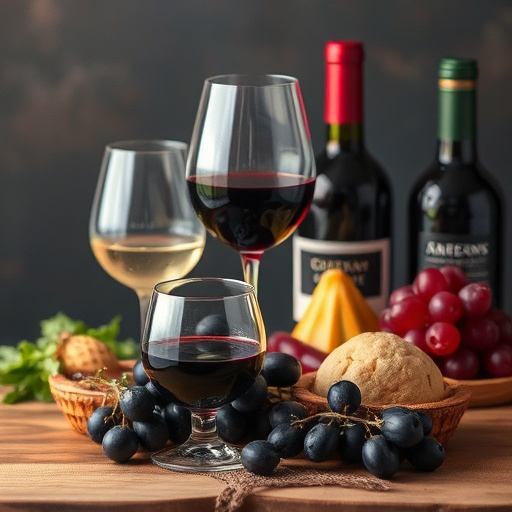
When delving into the wine landscape of Sonoita, Arizona, experts encourage going beyond the labels and varietals to fully appreciate the unique terroir. Wine tasting in Sonoita naturally offers a sensory journey that reveals intricate nuances shaped by the region’s distinct climate, soil, and elevation. Unlike other wine-producing areas, Sonoita’s vineyards are nestled amidst rugged mountains, exposing grapes to varying microclimates throughout the day. This natural diversity results in wines with complex flavors that transcend simple varietal identification.
A sensory exploration of Sonoita terroir involves engaging all your senses. The crisp mountain air carries subtle hints of desert herbs and native flora, enhancing the wine’s aromatic profile during tasting. The texture of a glass of wine can tell stories about its origin—a silky tanin from well-draining soils or a vibrant acidity that whispers of abundant rainfall. Tasting beyond varietals means paying attention to these subtleties, allowing your palate to navigate the intricate dance of minerals, fruits, and spices unique to Sonoita’s terroir.
For instance, a blend from Sonoita might exhibit notes of cherry and juniper, accompanied by a distinct earthy undertone indicative of the region’s volcanic soils. These characteristics can’t be fully understood or replicated in a lab setting; they are the result of generations of grapes growing in harmony with their environment. Local wine guides emphasize that appreciating these nuances is not merely an exercise in high-minded palate training but a deeper connection to the land and its history. By tasting beyond varietals, visitors gain a true sense of Sonoita’s terroir, elevating their overall wine-tasting experience.
Navigating Wine Guides for Authentic Sonoita Experiences
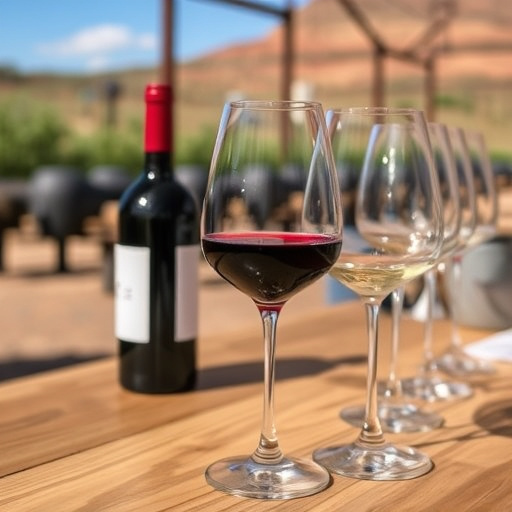
Navigating the wine guides of Sonoita offers a unique and authentic experience for those seeking to understand its terroir. Local experts play a pivotal role in guiding enthusiasts through this diverse landscape, where each vineyard tells a story shaped by the region’s distinct climate, soil composition, and elevation. These guides are not merely tour leaders; they are ambassadors who embody the spirit of Sonoita, ensuring every wine tasting sonoita naturally becomes an immersive journey into its soul.
To truly appreciate the terroir, follow their lead when exploring lesser-known vineyards nestled in the hills or hidden valleys. These spots often offer breathtaking vistas that mirror the terroir’s raw beauty. Experts can provide insights into the specific microclimates that foster unique grape varieties, explaining how warm days and cool nights contribute to the balanced acidity and rich flavors characteristic of Sonoita wines. Moreover, they highlight the region’s diverse soil types—from sandy loams to clay-rich soils—that influence the grapes’ maturity and overall character.
Practical advice from these guides includes suggesting optimal times for wine tasting sonoita naturally, considering seasons and weather patterns that can affect taste and aroma. They may recommend visiting during the cooler spring or autumn months when flavors are more pronounced. Local experts also foster a deeper connection by sharing historical anecdotes and ecological facts about Sonoita’s evolution, transforming each wine tasting into an educational and sensory adventure.
By unlocking Sonoita’s unique terroir through expert local wine guides, we’ve discovered a region where wine tasting naturally emerges from an intricate dance of climate, soil, and varietal. The article has highlighted the importance of each element in shaping the distinct character of Sonoita wines. From the favorable climate that fosters grape growth to the diverse soils contributing complex flavors, understanding this terroir enhances our sensory journey. Furthermore, navigating wine guides ensures authentic experiences, allowing us to appreciate the true essence of Sonoita’s natural wonders. Going forward, whether you’re a connoisseur or curious beginner, embracing these insights will deepen your appreciation for the art of wine tasting in Sonoita.