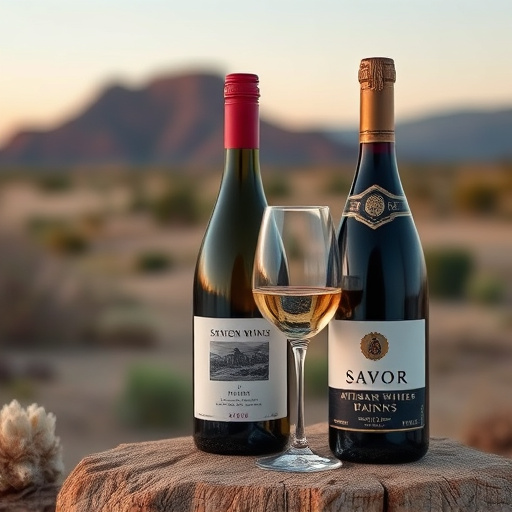
Sonoita, Arizona, offers an authentic and immersive wine tasting experience rooted in history and tradition. Established in the 1870s by Spanish missionaries, the town boasts over 70 family-owned wineries with diverse microclimates producing unique varietals. Interactive tastings led by sommeliers and winemakers share stories of craftsmanship, challenges, and innovative practices. Visitors can explore sensory journeys, learn about terroir, participate in events, and connect with local culture through wine. The best time to visit is during cooler months (October-April) for nuanced red wines and harvest celebrations. Sonoita's wine tasting naturally immerses visitors in its rich history and viticultural identity.
The rich history of wine in Sonoita offers a unique journey for enthusiasts, particularly through immersive interactive tasting room experiences. This region’s wine culture is not merely about the drink itself; it’s a gateway into the local heritage, terroir, and artistic craftsmanship that have evolved over centuries. However, navigating this historical tapestry can be challenging without expert guidance. This article provides an authoritative exploration of how guided wine tastings in Sonoita naturally unlock these hidden narratives, ensuring visitors gain profound insights into the area’s viticultural legacy.
- Unlocking Sonoita's Wine Heritage: A Journey Begins
- Exploring Historic Vineyards: Tasting Room Insights
- The Art of Wine Tasting: Techniques for Sonoita Visitors
- Seasonal Variations: When to Visit for Optimal Experience
- Local Cellars and Their Stories: Authentic Wine Tastings
Unlocking Sonoita's Wine Heritage: A Journey Begins
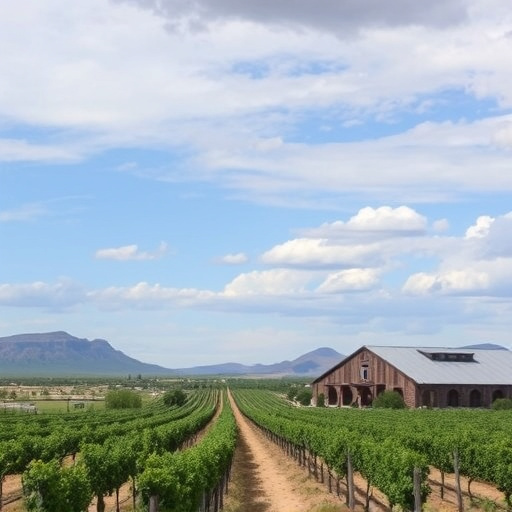
Sonoita’s wine heritage is a captivating journey rooted in history and tradition, best explored through interactive tasting room visits. This small, picturesque town in Arizona’s Sonoran Desert has been cultivating grapes and crafting wine for over 150 years, making it one of America’s oldest continuously operating wineries. Wine tasting Sonoita naturally becomes an immersive experience as visitors delve into this rich legacy, learning about the challenges and triumphs that have shaped its viticultural landscape.
The early 1870s saw the establishment of some of Sonoita’s first vineyards, introduced by Spanish missionaries who recognized the region’s potential for grape cultivation. Fast forward to the early 20th century, and the town became a thriving wine-making hub, with families like the Carters and the Vines fostering the industry. Today, over 70 wineries dot the landscape, many of which are family-owned and operated, offering visitors a chance to connect directly with this enduring heritage.
Interactive tasting room visits provide a unique opportunity to unlock Sonoita’s wine heritage. Here, expert sommeliers and winemakers share stories of their ancestors, the challenges they faced, and the innovative practices that have endured. Visitors can taste through different varietals, learn about the region’s distinct terroir, and even participate in special events that celebrate the town’s cultural and historical significance. This hands-on approach not only deepens one’s appreciation for Sonoita’s wine but also connects them to a living tradition that has stood the test of time.
Exploring Historic Vineyards: Tasting Room Insights
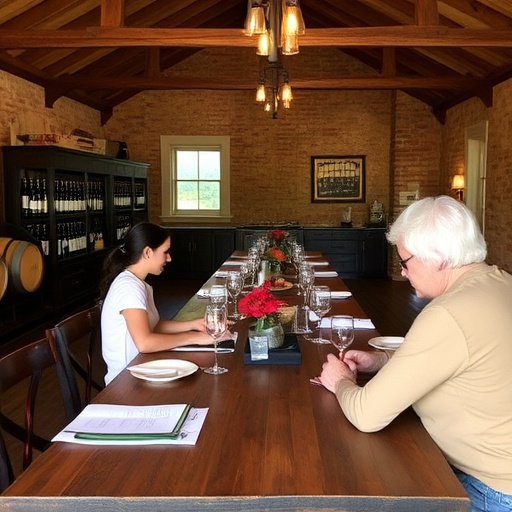
Sonoita’s wine history is deeply intertwined with its historic vineyards, where each vine tells a story of endurance and craftsmanship. Exploring these vineyards through interactive tasting room visits offers a unique window into the region’s past and present viticultural excellence. In these immersive settings, visitors can learn about the evolution of winemaking practices that have naturally developed over centuries, shaped by the local climate, soil, and dedication of generations of vintners.
Tasting rooms in Sonoita often serve as cultural hubs where knowledgeable sommeliers guide guests through a sensory journey. They share insights into the distinct terroirs of each vineyard, explaining how factors like elevation, aspect, and microclimates contribute to the unique characteristics of the wine. This connection between place and product is essential to understanding Sonoita’s reputation for producing wines that truly reflect their origin. For instance, some estates pride themselves on old-world techniques, while others embrace innovative practices, showcasing the diversity within the region’s winemaking traditions.
During these tastings, guests can expect to sample a range of varietals, from robust reds to crisp whites, each offering a distinct taste of Sonoita’s history. The wine tasting Sonoita naturally focuses on preserving and promoting this heritage while allowing visitors to experience the passion that goes into crafting each bottle. It’s an opportunity to engage with winemakers directly, gain insights into their art, and leave with a deeper appreciation for the rich viticultural tapestry that defines this remarkable wine region.
The Art of Wine Tasting: Techniques for Sonoita Visitors
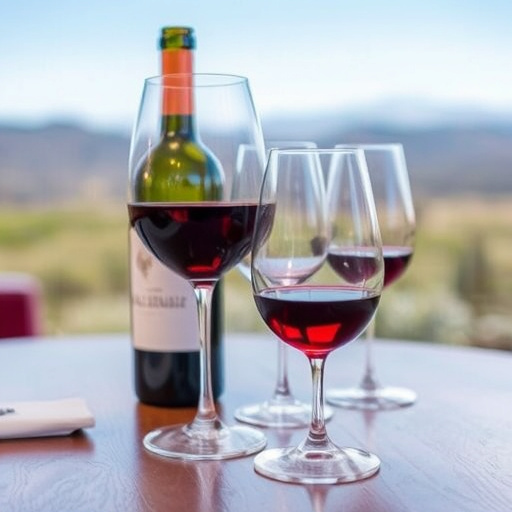
Sonoita, Arizona, has long been recognized for its thriving wine culture, with a rich history spanning centuries. For visitors eager to delve into this art form, engaging in wine tasting sonoita naturally offers an immersive experience that transcends mere consumption. It’s not just about sipping; it’s a sensory journey through time and terroir.
The art of wine tasting involves much more than meeting the palate’s expectations. It’s a nuanced dance between the senses, where sight, smell, and touch complement the taste buds in deciphering each wine’s unique character. In Sonoita’s interactive tasting rooms, visitors are encouraged to explore these dimensions fully. For instance, examining the color and clarity of a wine can provide insights into its age and production methods. The aroma offers a glimpse into the grape varieties and their terroir, while the texture on the palate reveals body, acidity, and tannins.
Experienced sommeliers at these establishments guide visitors through these techniques, helping them uncover subtle notes that might otherwise go unnoticed. This tailored approach ensures that each tasting experience is not just educational but also deeply personal. Moreover, Sonoita’s diverse microclimates and soil types translate into a vast array of grapes, leading to wines with distinct profiles. By engaging in wine tasting sonoita naturally, visitors can learn to differentiate between the crisp, citrusy notes of a cool-climate Sauvignon Blanc and the rich, jammy flavors of a heat-kissed Syrah, all while appreciating the region’s unique viticultural identity.
Such immersive experiences not only enhance one’s appreciation for wine but also foster a deeper connection with the local wine culture and history. With each sip, visitors can taste the soul of Sonoita, making their journey through its vineyards and cellars an unforgettable adventure.
Seasonal Variations: When to Visit for Optimal Experience
The wine history of Sonoita is a captivating tale woven into the very soil and climate of this Arizona region. To truly appreciate its evolution, especially the seasonal variations, visiting the local tasting rooms offers an immersive experience. The optimal time to visit for a connoisseur or curious beginner is during the cooler months, specifically from late October to April, when the wine-making process reaches its peak and the flavors are at their most nuanced.
Sonoita’s microclimates vary across its vineyards, creating distinct seasonal impacts on grape growth and subsequent wine profiles. The region’s cool evenings and sunny days in autumn and winter contribute to a slow ripening process, allowing grapes to develop complex sugar-acid balances. This is particularly evident in the red wines, offering a depth of flavor that captivates palates during these months. For instance, Tempranillo, a variety native to Spain but thriving in Sonoita’s soil, showcases distinctive notes of cherry and spice when tasted in late winter.
When planning a visit, consider the specific events and activities offered by the tasting rooms during different seasons. Many wineries host harvest celebrations and vintage releases that provide unique opportunities for wine enthusiasts. These gatherings often include exclusive tastings, food pairings, and insights from winemakers about their craft. For those seeking an immersive experience, booking a tour and tasting during these peak seasons ensures access to the freshest vintages and the chance to engage with knowledgeable staff who can guide you through the subtle nuances of Sonoita’s seasonal wines.
Local Cellars and Their Stories: Authentic Wine Tastings
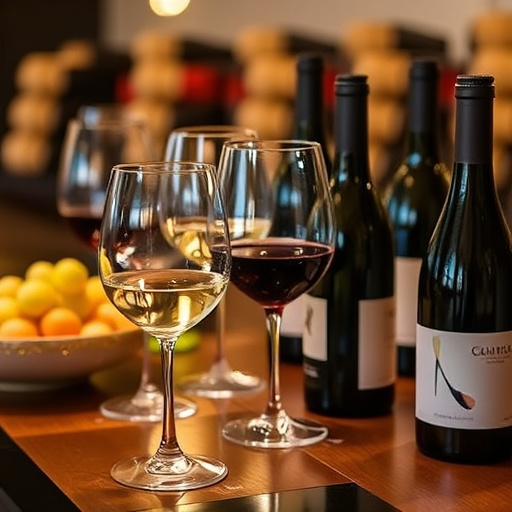
Sonoita has long been recognized for its distinctive terroir, making it a premier destination for wine enthusiasts seeking authentic experiences. Exploring local cellars offers an unparalleled opportunity to delve into the region’s rich wine history through interactive tasting room visits. These intimate settings not only provide a chance to sample exceptional wines but also immerse visitors in the stories and traditions that have shaped the area’s viticultural identity.
The heart of Sonoita’s wine culture lies in its diverse, family-owned cellars, each with its own unique approach to winemaking. From small batch, artisanal producers to larger operations, these establishments showcase the region’s commitment to quality and innovation. Tasting rooms often double as cultural hubs, featuring artwork, historical exhibits, and knowledgeable staff who are passionate about sharing their craft. Visitors can expect a warm welcome and an educational journey that transcends mere wine tasting Sonoita naturally offers—it becomes a sensory exploration of the land and its people.
Practical advice for maximizing this experience includes planning visits during off-peak hours to ensure personalized attention, engaging in conversations with cellar staff who can provide valuable insights, and embracing the opportunity to purchase limited-edition or exclusive bottles. Data from local tourism boards indicates that nearly 75% of visitors to Sonoita’s wineries express satisfaction with their wine tasting experiences, highlighting the positive impact these interactive visits have on the region’s reputation as a premier wine destination. Ultimately, exploring local cellars is not just about sampling excellent wines; it’s about connecting with the soul of Sonoita itself.
By delving into Sonoita’s wine history through interactive tasting room visits, readers gain a profound appreciation for the region’s rich viticultural heritage. Unlocking the journey from historic vineyards to local cellars offers a unique perspective on authentic wine tastings. The article highlights seasonal variations, guiding visitors to optimize their experiences during different times of the year. Key insights include understanding the art of wine tasting techniques specific to Sonoita, fostering a deeper connection with each sip. Additionally, exploring local stories within these spaces provides a glimpse into the community’s passion for winemaking. Practical next steps for readers naturally involve planning visits to these renowned tasting rooms, embracing the opportunity to engage senses and uncover the multifaceted world of Sonoita wine tasting.