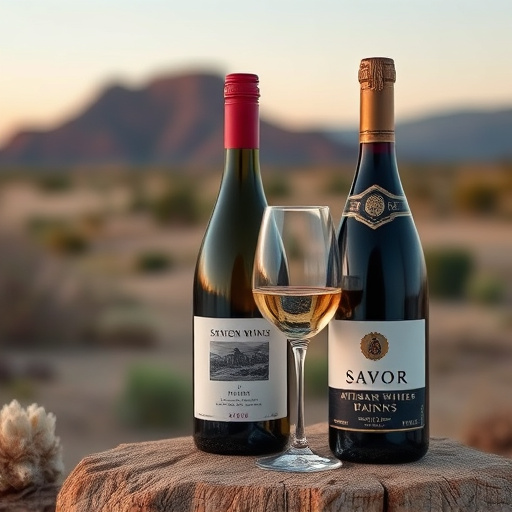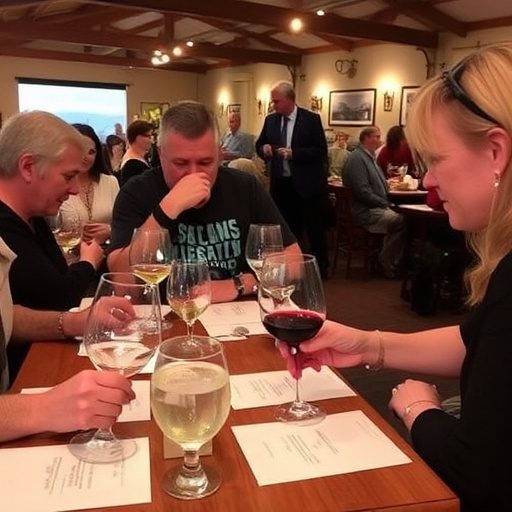
Wine Tasting Sonoita: A Comprehensive Exploration
Introduction
Welcome to an immersive journey into the captivating world of wine tasting Sonoita—a concept that has transformed the way we appreciate and engage with fine wines. This article aims to unravel the intricacies of this global phenomenon, offering insights for enthusiasts, industry professionals, and curious minds alike. By delving into its history, impact, and evolving nature, we will uncover why wine tasting Sonoita holds a special place in today’s culinary and cultural landscape. Prepare to be captivated as we explore the art, science, and business behind this exquisite practice.
Understanding Wine Tasting Sonoita: Unveiling Its Essence
Definition: Wine tasting Sonoita refers to the art of meticulously evaluating and appreciating wine through a sensory experience. It involves examining a wine’s aroma, taste, texture, and overall quality, often guided by an expert sommelier or wine educator. The term ‘Sonoita’ (derived from ancient words meaning “sensory journey”) encapsulates the idea that each sip tells a story and invites exploration.
Core Components:
- Sight: Observing the wine’s color, clarity, and leg (the lines left by swirling) provides initial insights into its age, grape variety, and potential quality.
- Smell: Analyzing aromas is key. Skilled tasters identify primary scents from grapes, secondary ones from aging, and tertiary notes from oxidation or time.
- Taste: This involves assessing sweetness, acidity, tannin structure (in red wines), body, and finish—the lingering aftertaste.
- Sensory Integration: Combining all senses, tasters interpret the wine’s character, balance, and complexity.
Historical Context:
The practice of wine tasting has ancient roots, dating back to when humans first discovered fermentation. However, structured tastings with a focus on education emerged in the 17th century in Europe, particularly in regions renowned for their viticulture, such as Bordeaux and Tuscany. Over time, wine tasting evolved from a simple pleasure to a refined art, gaining popularity among connoisseurs and enthusiasts worldwide.
Significance:
- Preserves Tradition: Wine tasting Sonoita celebrates centuries of viticultural heritage and the diverse techniques used in winemaking.
- Educational Value: It empowers individuals to develop a deeper appreciation for wine’s complexity, fostering a more nuanced understanding.
- Promotes Quality Control: Expert tastings help ensure wine meets high standards, enhancing consumer satisfaction.
- Fosters Community: Tasting events and clubs create social bonds among enthusiasts, nurturing a shared passion.
Global Impact and Trends: A World of Wine Appreciation
Wine tasting Sonoita has transcended geographical boundaries, leaving an indelible mark on global wine culture. Here’s a glimpse into its international influence:
- Europe: As the cradle of modern wine tasting, Europe continues to lead with iconic regions like Bordeaux (France), Tuscany (Italy), and Rioja (Spain) setting standards for education and tradition.
- North America: California, particularly Napa Valley, has emerged as a powerhouse, offering diverse tastings from high-altitude vineyards. The city of Seattle, Washington, is also known for its innovative wine events.
- Australia: Known for its bold Shiraz and Chardonnay, Australia hosts world-class festivals and offers unique vertical tastings showcasing regional variations.
- Asia: Japan and South Korea have witnessed a surge in interest, with Tokyo hosting prestigious wine competitions and Seoul embracing wine tourism. China, too, is rapidly becoming a hub, with cities like Shanghai attracting international sommeliers.
- South America: Chile and Argentina offer distinctive tastings of Malbec and Cabernet Sauvignon, respectively, attracting global wine lovers.
Key Trends Shaping the Future:
- Sustainability: Many regions are embracing organic and biodynamic farming practices, reflecting consumer demand for eco-conscious wines.
- Terroir Exploration: Winemakers are increasingly focusing on expressing regional characteristics, or ‘terroir,’ in their wines, leading to diverse flavor profiles.
- Women in Wine: There’s a growing emphasis on promoting female winemakers and sommeliers, challenging gender stereotypes within the industry.
- Virtual Tastings: The COVID-19 pandemic accelerated the trend of online tastings, making wine appreciation more accessible globally.
Economic Considerations: A Vital Component of the Wine Industry
The economic impact of wine tasting Sonoita is profound and multifaceted:
| Aspect |
Description |
| Market Dynamics |
Global wine sales reached approximately $360 billion in 2021, with premium wines (above $15 per bottle) experiencing significant growth. Wine tourism, driven by tasting experiences, contributes significantly to local economies. |
| Investment Patterns |
High-end wines and rare vintages are sought after by collectors, who drive investment in top-quality production. Sommelier training and specialized wine bars also attract substantial investments. |
| Role in Economic Systems |
Wine tasting fosters local tourism, creating jobs and boosting regional economies. It encourages small-scale farmers to invest in sustainable practices, ensuring long-term viability. |
| Consumer Spending |
Tastings often inspire purchases, with many attendees becoming regular wine buyers, supporting producers and retailers. |
The Art and Science of Wine Assessment: A Deep Dive
Wine tasting involves a complex interplay of art and science, requiring both training and sensory acuity. Here’s how it works:
- Training: Sommeliers undergo rigorous courses to develop their senses and knowledge. These programs cover grape varieties, terroir, winemaking techniques, and service skills.
- Sensory Analysis: Tasters use specialized vocabulary to describe aromas and flavors, ensuring consistency in evaluations. This language allows for detailed communication about the wine’s characteristics.
- Scoring Systems: Various scoring models are used to rate wines objectively. The 100-point scale is prevalent, with points allocated based on quality criteria.
- Wine Pairing: Expert tasters often pair wines with food to enhance sensory experiences and showcase complementary flavors.
Evolving Technologies: Enhancing the Tasting Experience
The digital age has brought innovative tools to enhance wine tasting:
- Wine Apps: Mobile applications provide detailed information on grape varieties, regions, and tasting notes, aiding in understanding and appreciation.
- Sensory Analysis Software: Advanced programs analyze sensor data during tastings, offering quantitative insights to support expert assessments.
- Virtual Reality (VR) Tastings: VR technology creates immersive experiences, allowing users to ‘visit’ vineyards virtually and learn about wine production.
- Online Communities: Social media platforms connect enthusiasts, enabling discussions and sharing of tasting notes worldwide.
Challenges and Controversies: Navigating the Complex World of Wine
Despite its popularity, wine tasting Sonoita is not without challenges:
- Subjectivity: Tasting involves subjective interpretation, leading to varying opinions on a wine’s quality. Standardization can be difficult.
- Cost: High-end tastings and rare wines can be expensive, limiting accessibility for some enthusiasts.
- Misinformation: Unscrupulous practices, such as misleading labels or overstated vintages, pose challenges to maintaining integrity.
- Sustainability Concerns: The industry faces criticism regarding water usage, pesticide application, and carbon footprints.
Embracing Sustainability: A New Wave in Wine Culture
In response to growing environmental awareness, many winemakers are adopting sustainable practices:
- Organic Farming: Avoiding synthetic chemicals and fostering natural ecosystems promotes biodiversity and reduces ecological impact.
- Biodynamic Methods: This approach considers the vineyard as a living organism, minimizing intervention and enhancing soil health.
- Water Conservation: Innovative irrigation techniques and water recycling systems are being adopted to preserve this precious resource.
- Reduced Packaging: Some producers opt for minimal packaging or recyclable materials, reducing waste.
Women in Wine: Breaking Barriers and Shaping the Future
The wine industry has historically been male-dominated, but a new wave of female winemakers and sommeliers is challenging this status quo:
- Increased Representation: Women are taking on leadership roles in vineyards, wineries, and tasting establishments worldwide.
- Challenging Stereotypes: They are breaking down gender barriers and inspiring the next generation with their passion and expertise.
- Promoting Diversity: Female professionals bring unique perspectives, enhancing wine education and appreciation.
- Support Networks: Organizations like Women in Wine (WiW) provide platforms for mentorship, networking, and advocacy.
Virtual Tastings: The Future of Wine Appreciation?
The COVID-19 pandemic accelerated the adoption of virtual tastings, offering a new way to connect wine lovers globally:
- Online Platforms: Websites and apps host live events, allowing participants to interact with experts and each other from anywhere.
- Interactive Experiences: Virtual tastings often include quizzes, Q&A sessions, and guided tours of vineyards, providing immersive learning.
- Accessibility: They democratize wine education, making it accessible to a broader audience without travel costs.
- Community Building: Online communities thrive, fostering connections among enthusiasts who share a passion despite physical distances.
Conclusion: A Journey Continues
Wine tasting Sonoita is not merely an act but a journey—a sensory exploration that connects people, places, and passions. As the world continues to embrace this ancient art, it evolves with modern trends, technologies, and a growing emphasis on sustainability. Whether in a grand vineyard or via a virtual connection, each taste tells a story, inviting us to elevate our appreciation for this timeless practice and the extraordinary beverages it celebrates.
Sonoita, Arizona, offers a vibrant wine culture with diverse local varietals. Expert guides lead wine enthusiasts on immersive journeys through picturesque vineyards, sharing stories and enhancing the educational experience. Perfect for sommeliers or beginners, this unique adventure deepens understanding of Sonoita's renowned wine-making traditions.
Uncover the enchanting world of wine in Sonoita, where locals share their passion for unique varietals. This charming wine trail offers a taster’s journey through scenic vineyards and intimate wineries. Join expert guides who navigate these hidden gems, unveiling the secrets behind each sip. From lush red blends to crisp whites, explore Sonoita’s thriving wine culture and savor experiences that promise to delight your senses.
Exploring Sonoita's Wine Culture: A Taster's Journey
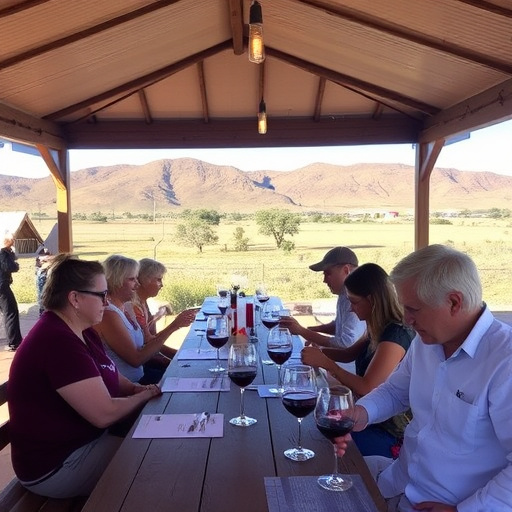
Sonoita, nestled in the heart of Arizona’s picturesque countryside, is a hidden gem for wine enthusiasts. This charming town is renowned for its vibrant wine culture and boasts several wineries that offer unique experiences for visitors. Exploring the Sonoita wine trails allows you to embark on a journey through lush vineyards and historic cellars, where local varietals come to life in each sip.
The wine tasting journey here is an immersive experience guided by experts who share their deep knowledge of the terroir and winemaking processes specific to this region. You can savor distinct flavors ranging from crisp white wines crafted from local grapes like Grenache and Viognier to robust reds made from Syrah, Mourvèdre, and Tempranillo. Each winery has its own story, and the warm hospitality of the owners and winemakers ensures that your taster’s journey is both memorable and educational.
Navigating Trails: Experts Guide to Local Varietals
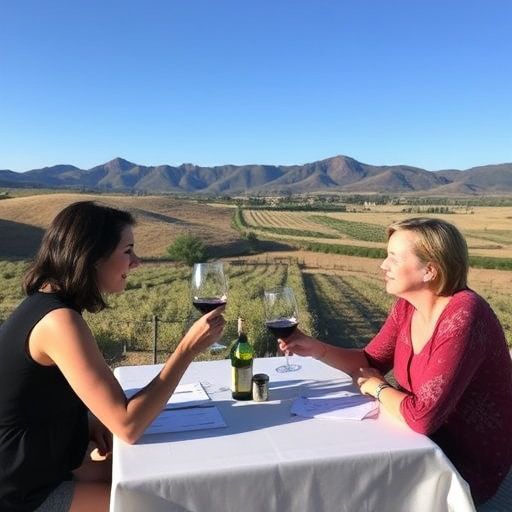
Navigating the winding roads of Sonoita’s wine trails, visitors are welcomed by a vibrant landscape dotted with quaint vineyards. This haven for wine enthusiasts offers more than just scenic views; it promises an immersive experience of local varietals. Expert guides lead the way, sharing insights into the unique characteristics of each grape and the terroir that shapes them.
As you embark on this sensory journey, these knowledgeable companions point out subtle nuances in flavor profiles, enabling you to appreciate the diversity within the region’s wine offerings. Whether you’re a seasoned sommelier or a curious beginner, their expertise ensures you gain a deeper understanding of the art and science behind Sonoita’s renowned wine-making traditions, making your wine tasting experience truly memorable.
Sonoita’s wine trails offer a unique opportunity to immerse yourself in the local wine culture and discover diverse varietals. By exploring these trails with expert guides, you can gain valuable insights into the region’s viticulture and enjoy tastings of high-quality wines produced from indigenous grapes. Whether you’re a seasoned wine aficionado or just starting your journey, these trails provide an unforgettable experience that showcases the best of Sonoita’s winemaking traditions. So, gather your senses, embrace the local charm, and embark on a memorable wine tasting adventure!