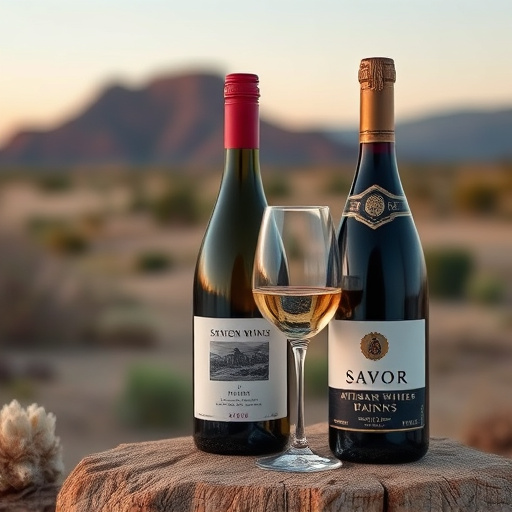
Sonoita, Arizona, boasts a unique wine heritage blending European influence with Native American tradition, dating back to 19th-century Spanish missionaries. Local winemakers preserve ancestral techniques like open-topped fermenters and gravity flow systems, minimizing oxidation for complex wines that reflect the region's terroir. Modern technology, such as digital displays and apps, enhances visitor experiences while preserving natural wine-making practices. Key sustainable innovations include organic farming, biodynamic principles, water conservation, solar panels, and data-driven strategies. Wine tasting Sonoita naturally offers immersive historical lessons alongside exceptional wines, contributing to preserving this rich heritage for future generations.
The rich wine history of Sonoita offers a captivating journey for enthusiasts and sommeliers alike, where each vintage tells a story etched in the terroir. However, navigating this narrative through traditional means can be daunting. This article introduces an innovative approach: interactive tasting room visits that transcend mere wine appreciation. By engaging directly with producers and immersing oneself in the sensory experience, one can unlock a profound understanding of Sonoita’s viticultural heritage. Through this exploration, we aim to guide readers on a path where wine tasting Sonoita becomes not just a pastime, but an educational odyssey into the heart of its winemaking culture.
- Unlocking Sonoita's Wine Heritage: A Historical Journey
- Exploring Traditional Viniculture Techniques in Sonoita
- The Evolution of Wine Tasting Rooms in Sonoita
- Understanding Terroir: Soil to Glass in Sonoita Wines
- Modern Innovations: Sustainable Practices in Sonoita Wine Making
Unlocking Sonoita's Wine Heritage: A Historical Journey
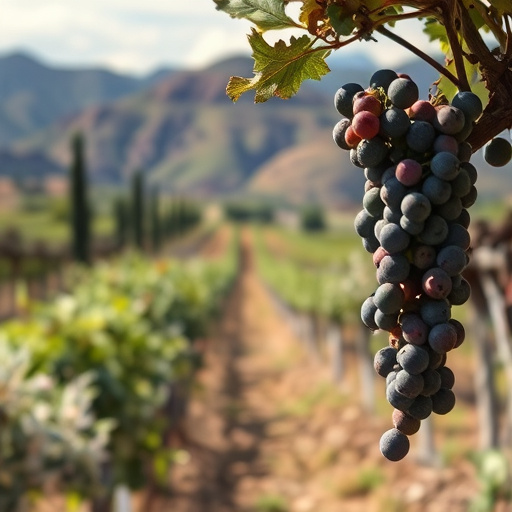
Sonoita’s wine heritage is a captivating narrative that unfolds through each interactive tasting room visit. This charming Arizona town has become synonymous with viticulture, boasting a history steeped in grapevines and culinary traditions. Wine tasting Sonoita naturally becomes a gateway to understanding its rich past, as local wineries proudly showcase their craft, preserving ancestral techniques alongside modern innovation.
The journey into Sonoita’s wine heritage reveals a blend of European influences and Native American traditions. The region’s first grapevines were planted in the 1800s by Spanish missionaries, introducing Vitis vinifera varieties to the Sonoran Desert ecosystem. Over time, these early vines laid the foundation for what would become a thriving industry. Today, visitors can witness this legacy firsthand, engaging with winemakers who meticulously nurture both traditional and experimental grape varieties.
Interactive tasting experiences offer more than just a taste of local wines; they provide an immersive historical lesson. Sommeliers and vintners often share stories about their ancestors’ struggles and triumphs in cultivating grapes in the region’s unique climate. This connection to the past is evident in the diverse range of varietals produced, from robust reds that thrive in the desert heat to delicate whites that capture the area’s cool evenings. By participating in these tastings, visitors not only enjoy exceptional wines but also contribute to the preservation of Sonoita’s wine heritage for future generations.
Exploring Traditional Viniculture Techniques in Sonoita

Sonoita, Arizona, has long been recognized for its unique wine history and commitment to traditional viniculture techniques. Exploring these methods through interactive tasting room visits offers a deep dive into the region’s rich past and present. One of the most striking aspects is the focus on wine tasting Sonoita naturally, without artificial enhancements or interventions. This approach respects the terroir, allowing the distinct characteristics of each vintage to shine through.
Local wineries often pride themselves on using age-old methods such as open-topped fermenters, where natural yeasts from the air initiate fermentation, resulting in complex and nuanced wines. Additionally, many producers employ gravity flow systems instead of pumps, minimizing oxidation and preserving the wine’s integrity. For instance, some renowned Sonoita winemakers start with de-stemmed grapes, allowing for a more gentle extraction of flavors, which is particularly evident in their elegant reds.
These traditional practices not only contribute to the exceptional quality of Sonoita wines but also foster a deep connection between producers and the land. Visiting these wineries provides an opportunity to engage with experts who can offer insights into these techniques. Wine enthusiasts can gain practical knowledge about the region’s history, soil types, and climate, all of which play pivotal roles in shaping the unique wine profiles they enjoy during tastings. Such immersive experiences are invaluable for understanding the art and science behind wine production in Sonoita.
The Evolution of Wine Tasting Rooms in Sonoita
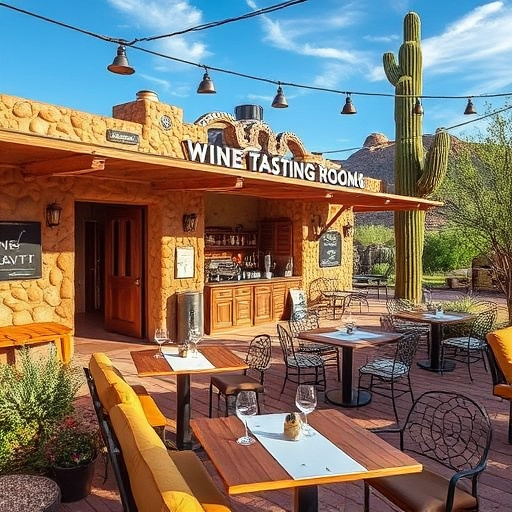
The wine tasting rooms of Sonoita have evolved significantly over the years, reflecting both the growth of the local industry and changing consumer preferences. Historically, these spaces were often modest affairs, serving primarily as storage areas for wines that were produced in the surrounding vineyards. As the Sonoita wine region gained recognition, however, the need for more welcoming and interactive tasting experiences became evident. Today, wine tasting rooms in Sonoita have transformed into vibrant hubs where visitors can immerse themselves in the local terroir and explore diverse wine styles.
This evolution is particularly notable in the adoption of technology to enhance the visitor experience. Many tasting rooms now offer digital displays that provide detailed information about each wine’s provenance, flavor profiles, and pairing suggestions. Interactive maps and virtual tours allow guests to delve into the region’s history and unique viticultural characteristics naturally. For instance, some pioneering establishments have implemented innovative apps that guide visitors through various tastings, offering personalized recommendations based on their preferences. These technological advances not only enrich the educational aspect of wine appreciation but also cater to a tech-savvy generation seeking engaging experiences.
Furthermore, the design aesthetics of Sonoita’s tasting rooms have evolved to create inviting atmospheres. Many venues now incorporate elements of local art and craftsmanship, blending seamlessly with the rustic charm of the surrounding landscape. The layout has also changed, with open spaces that facilitate social interaction and allow for larger groups to enjoy tastings together. These transformations reflect a conscious effort by winemakers to engage with visitors on a deeper level, fostering a genuine connection to the wine and its terroir. As the Sonoita wine scene continues to flourish, the interactive nature of these tasting rooms is sure to attract enthusiasts from around the world, seeking authentic experiences that capture the essence of this vibrant wine-making community.
Understanding Terroir: Soil to Glass in Sonoita Wines
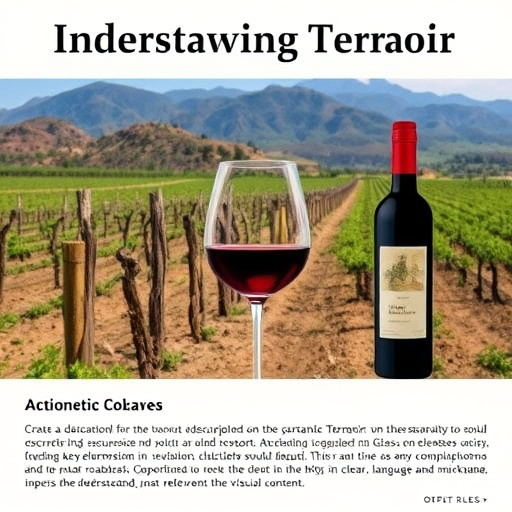
The soil under your feet and the air you breathe play a crucial role in shaping the flavors of Sonoita wines. Understanding terroir, that intricate interplay between geography, climate, and soil, is essential for any serious wine enthusiast exploring this vibrant wine region. A visit to one of Sonoita’s interactive tasting rooms offers a unique opportunity to delve into this world, where each glass of wine tells a story woven from the very earth it originated.
Through expert-led wine tastings, visitors can gain practical insights into how soil types, varying elevations, and microclimates contribute to the distinctive characteristics of Sonoita wines. For instance, the well-draining, volcanic soils of certain vineyards foster acidity in reds, while richer, limestone-rich soils impart minerality in whites. Weather patterns also vary significantly across the region, with hotter days and cooler nights enhancing sugar accumulation and slowing down ripening, resulting in balanced, complex fruit flavors. These natural elements, when combined with traditional viticultural practices, give Sonoita wines their signature dance of fruit, acidity, and tannin.
During your tasting, pay close attention to the nuances offered by each wine. Are the flavors bright and zesty, suggesting a crisp, well-drained soil? Or do you taste rich, earthy notes, hinting at deeper, mineral-rich grounds? These sensory cues are windows into the terroir from which the grapes were born. The more you explore, the better you’ll become at deciphering these subtle clues, enhancing your overall wine tasting experience in Sonoita naturally. Remember, understanding terroir isn’t just about appreciation; it’s a key to unlocking the true potential and character of each glass.
Modern Innovations: Sustainable Practices in Sonoita Wine Making
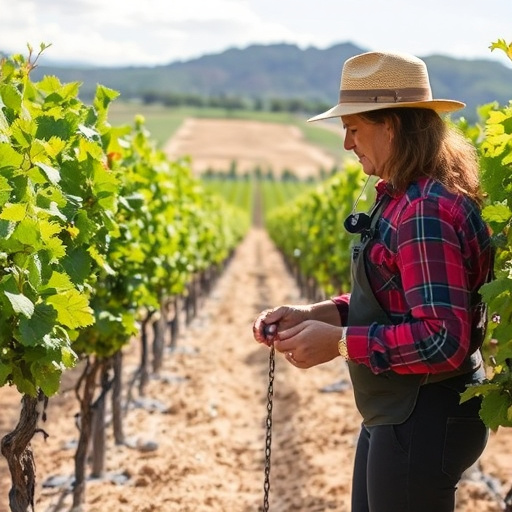
The modern wine industry in Sonoita has embraced innovative and sustainable practices that not only benefit the environment but also elevate the overall wine tasting experience for visitors. This small but vibrant region, renowned for its unique terroir, has become a leader in eco-conscious viticulture, integrating cutting-edge technologies and time-honored traditional methods to produce exceptional wines. One of the key aspects that sets Sonoita apart is its commitment to natural wine making, where winemakers focus on minimal intervention to preserve the inherent character of the grapes and the terroir.
Sustainable practices in Sonoita wine making range from organic farming methods to innovative water conservation techniques. Many wineries have adopted organic and biodynamic principles, avoiding synthetic pesticides and fertilizers, which not only reduces their environmental footprint but also contributes to healthier vines and more complex wine profiles. For instance, some producers use cover crops and compost to replenish the soil, ensuring a balanced ecosystem that supports the vines’ natural resistance to pests and diseases. Additionally, Sonoita’s wineries are pioneers in water stewardship, implementing advanced irrigation systems that deliver precisely what the vines need, minimizing water waste. These practices not only ensure the long-term health of the vineyards but also offer visitors a unique opportunity to understand and appreciate the connection between sustainable farming and exceptional wine during their wine tasting sonoita experiences.
Moreover, modern technology plays a significant role in Sonoita’s innovative approach. Some wineries employ data-driven strategies to monitor vineyard health, using sensors and drones for precision agriculture. These tools allow winemakers to make informed decisions about canopy management, fruit ripening, and harvest timing, resulting in optimal grape quality. Furthermore, many producers are exploring alternative energy sources, such as solar panels, to power their operations, further reducing their carbon footprint. These modern innovations coexist harmoniously with traditional practices, creating a distinctive wine-making culture that attracts curious oenophiles from around the globe.
By delving into Sonoita’s wine history through interactive tasting room visits, we’ve uncovered a rich heritage rooted in traditional viniculture techniques and enhanced by modern innovations. Unlocking the region’s unique terroir, from soil to glass, reveals wines that naturally embody the spirit of the land. The evolution of wine tasting rooms in Sonoita has not only preserved historical practices but also pioneered new ways to engage visitors, offering educational experiences that deepen our appreciation for local vintages. Practical next steps include exploring sustainable farming methods, engaging in more immersive tastings, and supporting Sonoita’s ongoing commitment to preserving its illustrious wine-making legacy. This authoritative exploration equips readers with invaluable insights into the art and history of Sonoita wine tasting.