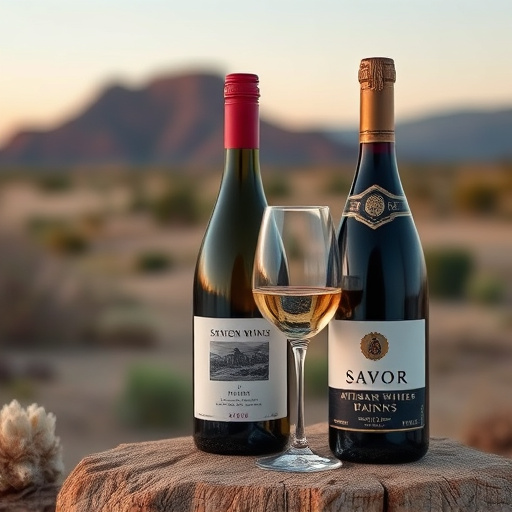
Sonoita's unique terroir, shaped by diverse microclimates, soil types, and elevations, creates distinct grape flavors reflected in its wines. Wine tasting Sonoita naturally educates visitors about these factors, offering a symphony of flavors from Grenache to Syrah. The region's history, from Native American agriculture to Spanish viticulture, influences modern techniques that highlight desert-bred clones. Guided tours and tastings provide immersive experiences, unlocking the secrets of Sonoita's terroir and enhancing appreciation for its diverse wine styles.
The terroir of Sonoita, a region renowned for its vibrant wine culture, is a subject of fascination among connoisseurs. Understanding its unique characteristics offers an unparalleled insight into the art of local wine production. However, navigating this specialized knowledge can be daunting for newcomers. This article addresses this gap by providing an authoritative guide through the intricate tapestry of Sonoita terroir. Expert local wine guides share their invaluable insights, offering a comprehensive exploration that transcends mere wine tasting in Sonoita to a profound appreciation of its natural affinities and distinctive qualities.
- Unveiling Sonoita's Unique Terroir: The Basics
- Exploring Wine Tasting in Sonoita's Natural Setting
- Understanding the Climate: A Cornerstone of Sonoita Terroir
- Soil Composition: Key to Understanding Local Wines
- Historical Perspective: How Past Shapes Present Flavors
- Expert Insights: Navigating Sonoita's Diverse Wine Offerings
Unveiling Sonoita's Unique Terroir: The Basics
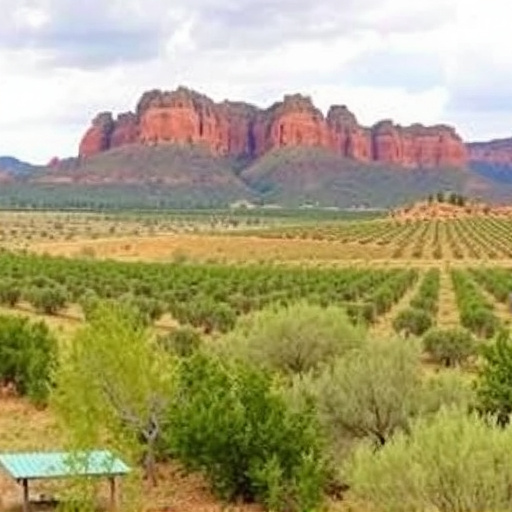
Sonoita’s terroir is a captivating aspect for wine enthusiasts and experts alike, offering a unique blend of geographical, climatic, and soil factors that contribute to its distinctive wine characteristics. This small town in Arizona’s Santa Cruz Mountains boasts a diverse landscape, with varying elevations and microclimates, each playing a crucial role in shaping the region’s viticultural identity. The area’s elevation ranges from 3,500 to 4,700 feet, providing cool nights that moderate the day’s warmth, allowing for slow sugar development in grapevines, essential for balanced wine production.
The terroir of Sonoita is further defined by its varied soil types. Soils in the region range from sandy loams to dense clay, each with distinct nutrient profiles and water-holding capacities. These variations encourage the expression of unique grape varieties and flavor profiles. For instance, the sandy soils promote good drainage, ideal for cultivating grapes like Grenache and Mourvèdre, while the clay-rich areas foster Syrah and Cabernet Sauvignon, known for their rich, complex flavors. Wine tasting Sonoita naturally reveals these subtleties, as local guides often lead tastings that highlight how each vineyard’s terroir translates into distinct wine characteristics.
Local experts emphasize that understanding Sonoita’s terroir is key to appreciating the region’s wines. The unique interplay of sun, soil, and air creates a symphony of flavors that resonate in every glass. Visiting the area and engaging with these guides provides an immersive experience, enabling wine lovers to connect deeply with Sonoita’s terroir and gain insights into what makes this small corner of Arizona so special for viticulture.
Exploring Wine Tasting in Sonoita's Natural Setting
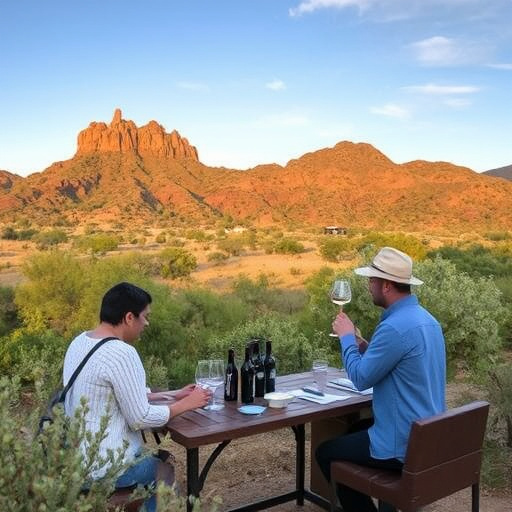
The wine country of Sonoita offers an unparalleled experience for those who wish to immerse themselves in the art of viticulture and its natural setting. Exploring wine tasting in Sonoita’s natural environment is a journey that captivates all the senses, providing insights into how terroir influences the final product. The region’s diverse microclimates, rich soil types, and varied elevations create distinct conditions for grape varieties, resulting in unique and nuanced wines.
Guided wine tastings in Sonoita often take place against the backdrop of picturesque mountains and lush vineyards, allowing visitors to connect directly with the land. Local experts, many of whom are vintners themselves, offer deep knowledge about the region’s history and geography, ensuring a comprehensive understanding of how each vintage story unfolds. These guides emphasize the natural approach to winemaking, where minimal intervention allows the terroir to express itself authentically through the grapes. For instance, some wineries pride themselves on using native yeast strains and old-world techniques, resulting in wines that are complex and deeply connected to their environmental roots.
During these tastings, visitors can expect a thoughtful curriculum that educates and engages. It often begins with an overview of the vineyard management practices specific to Sonoita, such as organic farming methods or sustainable irrigation techniques. Each wine is then carefully presented, with guides explaining the unique challenges and rewards of producing wines in this region. Tastings may include varietal blends native to the area or experimental batches that showcase the winemakers’ artistic vision. This immersive experience encourages visitors to appreciate the intricate relationship between soil, climate, and grape, fostering a deeper understanding and appreciation for wine tasting in Sonoita’s natural setting.
Understanding the Climate: A Cornerstone of Sonoita Terroir
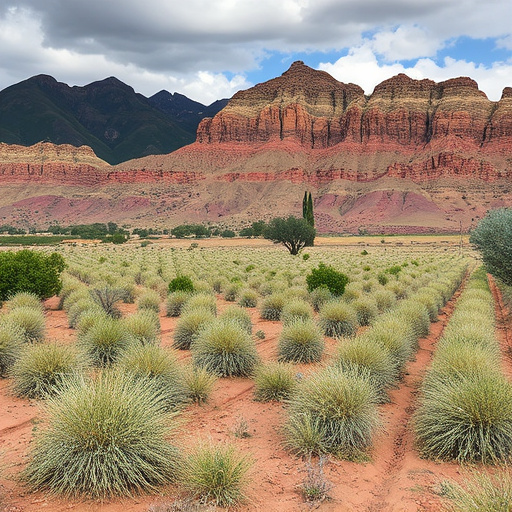
The climate of Sonoita plays a pivotal role in shaping its unique terroir—a concept integral to understanding the distinct character of local wines. This region, nestled amidst the vibrant Arizona landscape, experiences a semi-arid climate with specific seasonal variations that significantly influence grape growing and wine production. The hot, dry summers are characterized by intense sunlight, fostering a slow ripening process that concentrates sugars and flavors in the grapes. Average daily temperatures during this period often exceed 90°F (32°C), creating ideal conditions for vitis vinifera varieties adapted to warmer climates.
Winter months bring a stark contrast, with cold snaps and occasional frosts, providing a needed respite from the heat. These seasonal fluctuations are crucial for grapevine balance, allowing for gradual maturation and the development of complex aromas. The region’s low humidity levels, coupled with its elevation, contribute to a dry, crisp atmosphere, which is particularly beneficial for maintaining acid levels in the grapes—a key component in fine wine production. Moreover, the area’s distinct microclimates, influenced by surrounding mountains and valleys, enable diverse grape varieties to thrive, offering winemakers a wide array of options for their vintages.
For wine enthusiasts exploring Sonoita, engaging in wine tasting sonoita naturally becomes an educational journey. Tasting through the region’s diverse offerings can reveal insights into how climate shapes flavor profiles. From crisp, citrusy notes that echo the dry air to rich, tropical fruits reflecting warmer summer days, each wine tells a story of its terroir. Visiting local wineries and chatting with expert guides can provide deeper understanding, allowing visitors to appreciate the art of viticulture in Sonoita and enjoy the unique sensory experiences it offers.
Soil Composition: Key to Understanding Local Wines
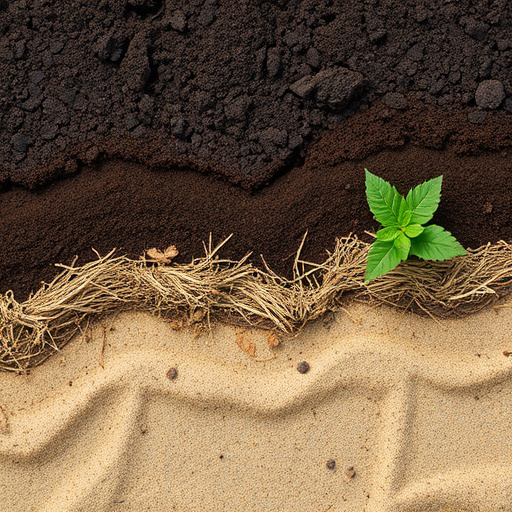
The soil beneath our vines holds the key to understanding the unique character of Sonoita wines. This region’s terroir, shaped by its geological history and climate, bestows upon each grape a distinct identity that translates directly into the final product during wine tasting Sonoita naturally occurs. The soil types found in Sonoita vary widely, from sandy loams to clay-rich sediments, each with its own impact on grape development. For instance, well-draining sandy soils encourage grapes to develop deeper root systems, promoting robust flavors and acidity while minimizing the risk of rot. Conversely, clay-rich soils retain moisture, leading to slower ripening times that allow for a more gradual accumulation of sugars and complex aromatics.
Geological studies have revealed that much of Sonoita’s soil composition is influenced by ancient volcanic activity, which accounts for the region’s high mineral content. These minerals, including iron, magnesium, and potassium, infuse the grapes with distinctive flavor profiles and contribute to the structure and balance of the wines. Expert local guides often emphasize the importance of understanding these soil dynamics when discussing Sonoita wines. During a wine tasting in Sonoita, pay close attention to the nuances in each vintage—the subtle differences might very well be attributed to variations in soil composition from vineyard to vineyard.
Practical advice for wine enthusiasts is to engage with local guides who can provide insights into the specific soil types and their impact on the wines. These knowledgeable professionals often accompany wine tastings, offering detailed explanations that deepen one’s appreciation for the terroir. By immersing yourself in these discussions, you’ll gain a deeper understanding of how the land shapes the liquid gold we savor during our wine tasting Sonoita experiences. This knowledge not only enriches your palate but also connects you to the rich history and unique character of this remarkable wine region.
Historical Perspective: How Past Shapes Present Flavors
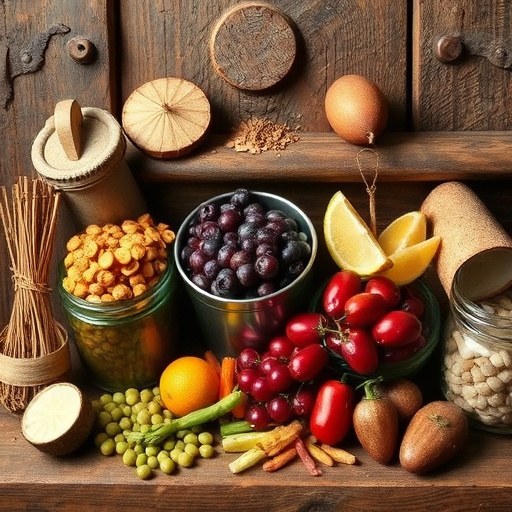
The historical narrative of Sonoita’s terroir is a captivating tale woven into the very essence of its wine. This Arizona town, nestled amidst the Sonoran Desert, has witnessed centuries of transformation, each era leaving its mark on the land and, consequently, the wine it produces. From indigenous cultures to Spanish missions and the modern-day wine revolution, Sonoita’s past is a key ingredient in understanding its distinctive flavors.
Historically, this region was inhabited by Native American tribes who understood the unique characteristics of the desert terroir. Their knowledge of local plants and their interactions with the land shaped early agricultural practices. Fast forward to the 18th century, when Spanish missionaries arrived, they brought grapevines from Mexico, introducing Vitis vinifera varieties to the area. This introduction marked a significant shift in the wine culture of Sonoita, setting the stage for its future as a thriving viticultural region. Over time, these early vines evolved and adapted to the local conditions, giving birth to the distinct clones and varieties that are now celebrated for their unique flavor profiles.
The wine tasting experience in Sonoita is inherently connected to this historical context. Local wineries often share stories of their ancestral links to the land, explaining how ancient practices and traditional grape selections have contributed to the area’s renowned wines. For instance, some producers emphasize the use of native desert grapes like Carignane and Grenache, which thrive in the region’s hot, dry climate, resulting in full-bodied reds with distinct flavor notes of cherry, spice, and herbs. This blend of historical insight and practical wine-making expertise offers visitors a unique perspective during their wine tastings, allowing them to connect with the terroir on a deeper level.
Moreover, understanding the historical context enhances one’s appreciation for the present. Sonoita’s winemakers have embraced their heritage while also embracing innovation. They continue to experiment with traditional methods and new techniques, ensuring that the wines remain true to their desert roots yet offer contemporary flavors. This balance between past and present is a testament to the enduring appeal of Sonoita terroir and its ability to produce truly remarkable wines.
Expert Insights: Navigating Sonoita's Diverse Wine Offerings
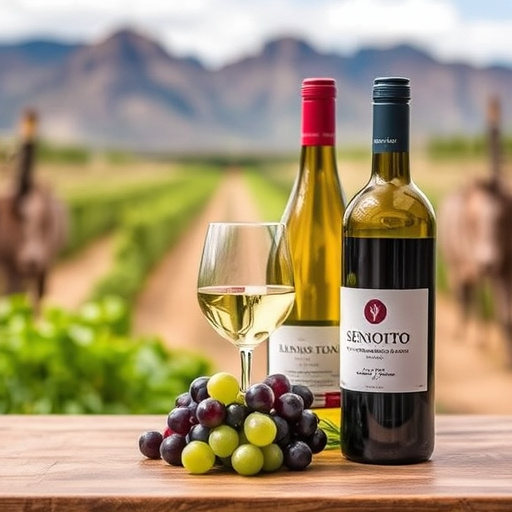
Sonoita, Arizona, is renowned for its distinctive terroir, offering a diverse range of wine styles that reflect the region’s unique characteristics. Expert local wine guides highlight the area’s varied microclimates and soil types as key factors in shaping the flavors of its grapes. These variations translate directly into an array of wines, from bold reds to refreshing whites, each with its own distinct character. By understanding these terroirs, visitors can enhance their wine tasting experience in Sonoita, naturally guiding them towards the most harmonious matches between grape and palate.
The guides emphasize that Sonoita’s red wines, often made from varietals like Syrah, Grenache, and Mourvèdre, showcase the region’s warmer, drier climates. These wines exhibit robust flavors of dark fruits, spice, and earth, benefiting from the area’s long, sunny days and well-drained soils. Conversely, the cooler, higher-altitude areas produce elegant white wines, such as Viognier and Sauvignon Blanc, known for their crisp acidity and notes of citrus, peach, and herbaceous aromas. The varying elevations and microclimates within Sonoita allow these distinct styles to flourish, creating a truly diverse wine portfolio.
Practical advice from local experts suggests that visitors participate in guided tours or tastings tailored to the unique terroirs of the region. These immersive experiences not only educate but also enable wine enthusiasts to appreciate the nuanced differences between wines from adjacent vineyards. Moreover, engaging with knowledgeable guides can help visitors discover hidden gems and gain insights into the winemaking processes specific to Sonoita’s terroir, ensuring a memorable and informative wine tasting journey.
By exploring Sonoita’s terroir through expert local wine guides, readers gain a profound understanding of what makes local wines unique. Key insights include the region’s distinct climate, soil composition, and historical influences that shape its distinctive flavors. The article emphasizes the natural setting for wine tasting in Sonoita, revealing how each element contributes to the overall character of the wines. Expert guidance navigates diverse offerings, empowering readers to appreciate and discern Sonoita’s terroir during future wine tastings naturally. This comprehensive exploration equips individuals to delve deeper into the world of local vintages, fostering a richer connection between the land and the liquid it produces.