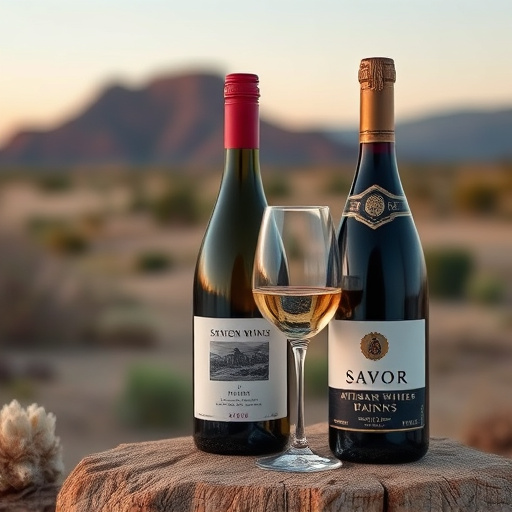
Sonoita's unique terroir, shaped by high elevation, arid climate, and diverse soil types (sandy loam to volcanic), results in distinctive wine profiles. Guided tours led by local experts highlight these factors during tastings of popular varieties like Grenache, Syrah, Zinfandel, and Viognier. Cooler months, guided tours, and joining a wine club enhance the experience. Engaging with winemakers offers personalized recommendations for wine tasting Sonoita naturally.
In the dynamic realm of viticulture, understanding terroir is paramount for both connoisseurs and aspiring wine enthusiasts alike. Among the diverse landscapes, Sonoita stands out as a gem waiting to be discovered. Its unique terroir, characterized by distinct soil types and microclimates, significantly influences the flavors and aromas of locally produced wines. However, navigating this wine-tasting landscape can pose challenges, especially for newcomers. This article aims to demystify Sonoita’s terroir through the guidance of expert local wine guides, providing an authoritative introduction to this captivating destination where wine tasting naturally intertwines with regional characteristics.
- Unlocking Sonoita's Unique Terroir: A Local Guide
- Exploring the Wine Tasting Experience in Sonoita Naturally
- Understanding the Essential Elements of Sonoita Terroir
Unlocking Sonoita's Unique Terroir: A Local Guide
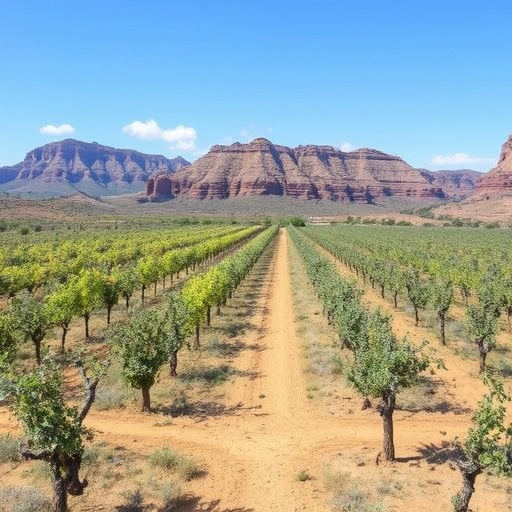
Sonoita’s terroir is a tapestry woven from distinct geographical, climatic, and soil factors that create unique wine profiles. As local guides, we’ve witnessed the profound impact these elements have on the flavors and aromas of our wines. The region’s high elevation, for instance, contributes to crisp acidity in whites and reds, making them exceptionally food-friendly. The arid climate fosters intense concentration of sugars, leading to robust, full-bodied red blends that have earned Sonoita a reputation for producing some of Arizona’s finest Cabernet Sauvignons and Syrahs.
Soil composition plays another vital role. The area is characterized by well-draining, sandy loam soils derived from ancient volcanic activity. These soils allow for optimal air circulation around the roots, promoting healthy grape development without over-ripening. This, in turn, results in a delightful balance between fruit and tannin structure in our wines. Exploring Sonoita’s terroir through wine tasting is naturally a key part of understanding these nuanced differences.
Practical advice for visitors? Join guided tours or tasting experiences led by local experts who can point out the subtle variations in terroir across different vineyards. Pay attention to the aromas and flavors that speak to each grape variety and growing condition. By immersing yourself in this way, you’ll gain a deeper appreciation for Sonoita’s unique terroir and the dedication of our winemakers.
Exploring the Wine Tasting Experience in Sonoita Naturally
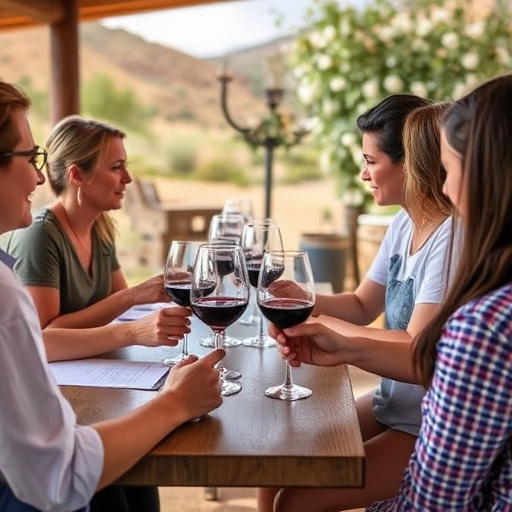
The wine tasting experience in Sonoita naturally unfolds as a sensory journey through the unique terroir of this Arizona wine region. Unlike more temperate climates, Sonoita’s high desert environment shapes the character of its grapes, resulting in distinctive wines that reflect the area’s natural attributes. Expert local guides often begin tastings by explaining these terroir elements—from the region’s hot, dry summers and cool evenings to the diverse soils, including volcanic and limestone deposits. This context deepens the appreciation for each sip.
Visitors can expect a range of experiences at Sonoita wineries, many of which operate as family-owned farms. Some offer expansive outdoor seating areas where guests can enjoy wine while gazing upon the picturesque desert landscape. Others have tasting rooms nestled in quaint, historic buildings that exude charm and character. The diversity of settings mirrors the region’s eclectic mix of grape varieties, with popular choices including Grenache, Syrah, Zinfandel, and Viognier. Wine enthusiasts often praise Sonoita for its ability to produce bold, expressive red wines while also showcasing unique white blends that capture the essence of the local terroir naturally.
Practical advice for maximizing your wine tasting sonoita naturally experience includes planning visits during cooler months when the flavors are at their most vibrant and guiding tours or joining a wine club to gain insights from knowledgeable members. Remember, the best way to explore Sonoita’s natural terroir is by engaging with its passionate winemakers who can offer personal recommendations tailored to individual palates.
Understanding the Essential Elements of Sonoita Terroir
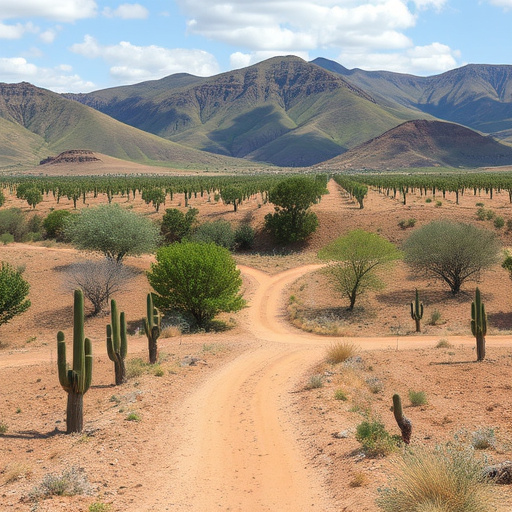
The essence of Sonoita terroir lies in its unique combination of geographic features and microclimates, all contributing to the distinctive character of its wines. This Arizona wine region, nestled amidst the Santa Catalina Mountains, boasts a diverse landscape that includes varied elevations, soil types, and exposure to sun and wind. These elements collectively shape the growing conditions for grapes, resulting in wines that exhibit remarkable diversity and complexity.
One of the key elements of Sonoita terroir is its elevation, ranging from around 3,000 to 5,000 feet above sea level. This altitude provides cooler temperatures during the growing season, delaying ripening and allowing for slower development of grape flavors. The region’s soil types vary significantly as well, with volcanic soils prevalent in some areas offering excellent drainage and mineral richness, while sandy loams in others foster a more neutral pH suitable for diverse grape varieties. These variations translate into a wide range of wine styles, from crisp white wines to robust reds.
Wind patterns play another critical role in shaping Sonoita’s terroir. The region is known for its gusty conditions, particularly during the summer months. These winds can both protect grapes from excessive heat and carry away moisture, creating ideal conditions for grape ripening. Local wine guides emphasize that understanding these wind patterns is crucial for timing wine tastings sonoita naturally—visiting during specific seasons allows you to experience the unique characteristics of each vintage.
Expert insights also highlight the importance of microclimates within the broader region. Certain pockets of Sonoita enjoy distinct weather conditions due to their proximity to mountains or bodies of water. These variations enable the cultivation of a diverse array of grape varieties, each thriving in its optimal environmental conditions. As you explore the wines of Sonoita, pay attention to these subtleties—a wine tasting sonoita naturally can reveal the nuanced terroir that contributes to each bottle’s unique story and flavor profile.
By delving into Sonoita’s terroir with expert local guides, enthusiasts unlock a unique wine-tasting experience. Key insights reveal that the region’s distinct characteristics stem from its geological diversity, climate patterns, and soil composition—all vital elements contributing to the naturally exceptional quality of its wines. Understanding these fundamentals equips visitors with a deeper appreciation during wine tastings in Sonoita. Armed with this knowledge, folks can navigate the local landscape, uncover hidden gems, and fully immerse themselves in the vibrant wine culture that has made Sonoita a true terroir masterpiece.