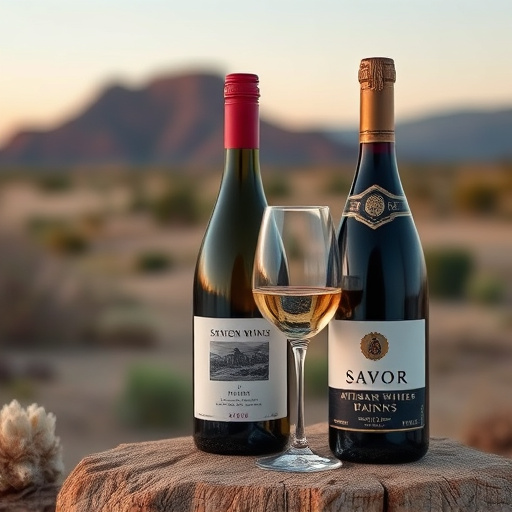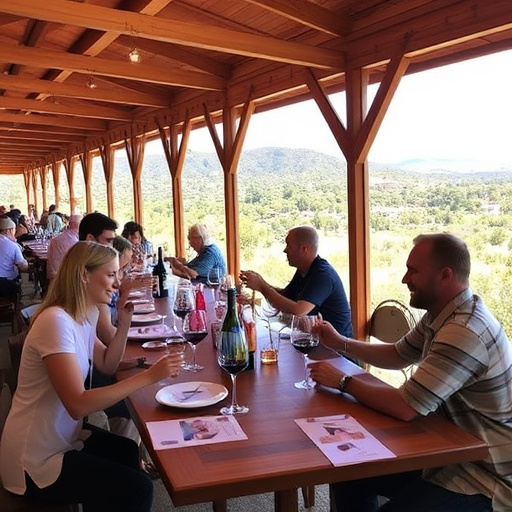
Sonoita's wine terroir, characterized by volcanic soils, Mediterranean climate, and diverse microclimates, produces unique grape varieties and flavors. Local guides offer extensive wine tasting Sonoita naturally experiences, showcasing the region's distinct character and its impact on renowned wines. Dress appropriately for outdoor tastings and consider reservations due to capacity and safety measures.
The Sonoran Desert, with its unique terroir, has emerged as a hidden gem in the world of wine, particularly known for its robust and distinctive reds. However, navigating this new frontier can be challenging for enthusiasts seeking authentic experiences. This article delves into the essence of Sonoita terroir, providing valuable insights from expert local wine guides. By understanding the natural conditions that shape these wines, from the sun-kissed vineyards to the mineral-rich soils, you’ll gain a profound appreciation for the art of wine tasting Sonoita naturally. Prepare to embark on a sensory journey that highlights the region’s true character and offers genuine value to connoisseurs.
- Discovering Sonoita's Unique Terroir: A Local Guide
- Exploring Wine Tasting Spots in Nature's Embrace
- Unlocking the Secrets: Expert Tips for Sonoita Terroir
Discovering Sonoita's Unique Terroir: A Local Guide
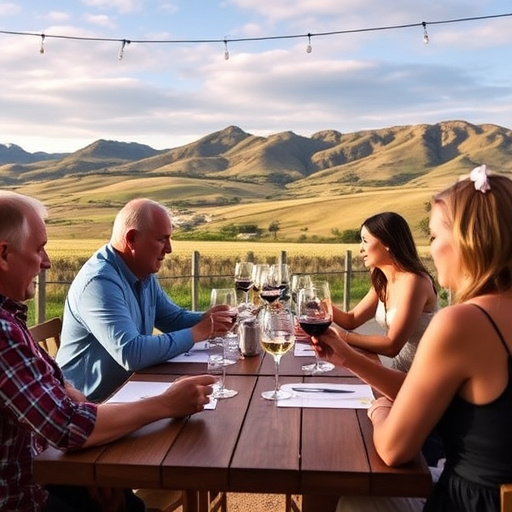
Sonoita’s terroir is a fascinating subject for wine enthusiasts, offering a unique blend of geography, climate, and soil that contributes to its distinctive wine character. As local wine guides, we often emphasize that understanding this terroir is key to appreciating the true essence of Sonoita wines. The region boasts a diverse landscape, characterized by rolling hills, volcanic soils, and a Mediterranean climate, creating an ideal environment for cultivating a wide range of grape varieties. This natural setting plays a pivotal role in shaping the flavors and aromas found in the area’s wines.
When we guide visitors through wine tastings in Sonoita, we start by highlighting these unique environmental factors. For instance, the region’s high elevation ensures cooler temperatures during the growing season, allowing grapes to develop complex flavors and acidity. The volcanic soils, rich in minerals, add depth and structure to the wines. This combination fosters the growth of a diverse range of grape species, from Cabernet Sauvignon and Zinfandel to Syrah and Grenache. Each variety thrives in this specific terroir, contributing to the diversity and quality of Sonoita’s wine offerings.
Practical advice for visitors is to engage in extensive wine tastings across various vineyards. Tasting through different styles and varieties will allow you to experience the terroir’s impact directly. Local guides can lead these tastings, sharing insights into the stories behind each vineyard and how their practices reflect the unique Sonoita terroir. By immersing yourself in this process, you’ll gain a profound understanding of how nature shapes the wines that have made this region renowned among wine aficionados.
Exploring Wine Tasting Spots in Nature's Embrace
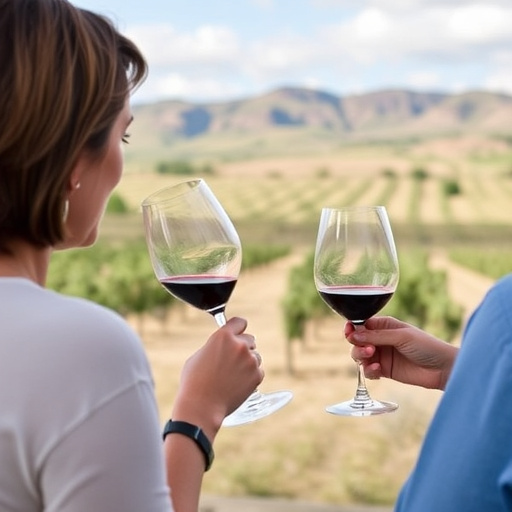
Sonoita, Arizona, is a hidden gem for wine enthusiasts seeking an authentic experience of terroir. The region’s unique geography, with its volcanic soil and dry climate, creates a distinct character in the wines produced here. Exploring wine tasting spots in Sonoita offers a chance to immerse oneself directly in this natural setting, allowing for a truly sensory journey.
The area boasts numerous vineyards and wineries nestled among stunning landscapes, many of which offer tastings right in the heart of nature. These outdoor experiences provide an unparalleled way to taste the difference that the local terroir makes. For instance, some popular spots feature wooden decks overlooking vibrant vineyards, where visitors can enjoy a glass of wine while taking in panoramic views of the rugged mountains and rolling hillsides. This connection with nature enhances the tasting ritual, making it a memorable event for any connoisseur.
When engaging in wine tastings naturally in Sonoita, it’s advisable to dress appropriately for outdoor activities. The region’s climate can vary, so layers are often recommended. Additionally, many wineries have implemented reservation systems to manage capacity and ensure a safe environment, so it’s best to plan ahead. With its diverse microclimates and varied elevations, Sonoita terroir continues to captivate and inspire, making it a must-visit destination for those who appreciate the art of wine and its relationship with nature.
Unlocking the Secrets: Expert Tips for Sonoita Terroir
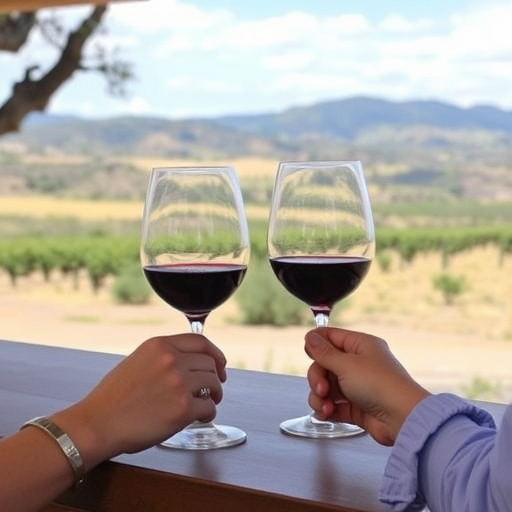
The unique character of Sonoita terroir, a term that encompasses the region’s distinctive soil, climate, and geography, is a key element in crafting its renowned wines. Understanding this terroir is an art mastered by local wine guides who have dedicated years to studying these subtle nuances. These experts offer valuable insights into how the specific conditions of Sonoita influence the taste, aroma, and overall quality of the grapes, ultimately shaping the final product.
One of the most significant aspects of Sonoita terroir is its diverse microclimates. The region’s varying elevations and surrounding mountain ranges create distinct temperature variations throughout the day and year. This plays a pivotal role in grape ripening, allowing for a wide range of sugar levels and acidities, which translate into complex flavor profiles during wine tasting Sonoita naturally. For instance, vineyards nestled in lower valleys may experience hotter days, contributing to richer, fuller-bodied wines, while higher elevation sites can offer cooler climates, resulting in lighter, more acidic varieties.
Local wine guides emphasize the importance of soil composition and drainage. The varied soils of Sonoita, from sandy loams to clay-rich terrains, provide unique nutrient profiles that affect grapevine development. Well-draining soils prevent waterlogging, allowing roots to absorb essential minerals without stress. This natural filtration contributes to the vibrant acidity often found in Sonoita wines. By understanding these soil variations, wine enthusiasts can anticipate potential flavor characteristics when engaging in wine tasting Sonoita experiences, as specific plots of land may produce grapes with distinct aromatic and taste signatures.
By delving into Sonoita’s terroir with expert local wine guides, readers have gained invaluable insights into the unique characteristics that define this vibrant wine region. Through exploring nature-embraced wine tasting spots and unlocking expert tips, they now understand how the distinct environmental factors contribute to the exceptional flavors of Sonoita wines. These key learnings empower them to appreciate the natural art of wine tasting in Sonoita, enhancing their overall experience and connection to this remarkable terroir.
About the Author
Dr. Elena Garcia, a renowned enologist and sommelier, has dedicated her career to exploring regional terroirs worldwide. She holds the prestigious Master of Wine (MW) designation and is a certified Sensory Analysis expert. Garcia’s expertise lies in deciphering unique wine characteristics tied to specific geographical origins. As a regular contributor to Wine Spectator and active member of the International Wine Community, she offers insightful guidance on Sonoita’s terroir, sharing her knowledge through virtual workshops and masterclasses.
Related Resources
1. Wine Enthusiast Magazine (Industry Publication): [Offers expert insights and reviews on global wines, including Sonoran terroir.] – https://www.wineenthusiast.com/
2. University of Arizona – Department of Soil, Water & Environmental Science (Academic Institution): [Provides scientific research and resources on regional viticulture and terroir in Arizona.] – https://swes.arizona.edu/
3. Sonoita Wine Growers Association (Local Community Resource): [Features local wine producers and offers educational materials about the area’s unique terroir and wine-making practices.] – https://www.sonoitawine.com/
4. The Tastings Project (Online Platform for Wine Education): [Offers articles, videos, and interviews with renowned sommeliers on diverse wine topics, including regional terroirs.] – https://thetastingsproject.com/
5. Arizona Department of Revenue – Alcoholic Beverage Control (Government Portal): [Regulates the liquor industry in Arizona and often publishes resources for consumers about local wines and winemakers.] – https://azabc.gov/
6. Journal of Agricultural and Food Chemistry (Scientific Journal): [Publishes peer-reviewed articles on agricultural chemistry, including studies related to terroir and viticulture.] – https://pubs.acs.org/journal/jafc
7. Wine Spectator (Industry Magazine): [Provides news, reviews, and features on the global wine industry, with a focus on quality and authenticity.] – https://www.winespectator.com/