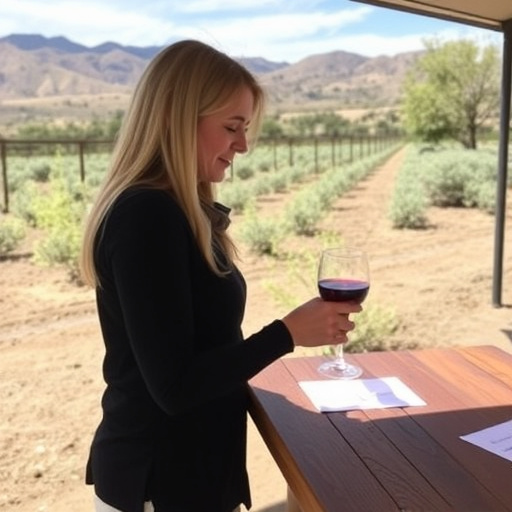
Sonoita, Arizona, stands out as a wine destination due to its over 40 rare grape varieties, a result of European settlers' 19th-century introduction and subsequent interbreeding with native wildflowers. Wine tasting here offers unique characteristics like Zinfandel's zestiness and Tempranillo's dark fruit hints. The region's diverse terroir, influenced by elevation, climate, and soil, creates distinct flavors in grapes like Cruxent and Niellucio. Local wineries highlight these variations through tastings, tours, and culinary pairings. To maximize the experience, plan ahead, join wine clubs, and explore the region's stories and culinary heritage.
The vibrant wine culture of Sonoita offers a captivating journey for enthusiasts, particularly those curious about unique grape varieties and innovative blends. In 2026, Sonoita, Arizona has cemented its place as a global wine destination with the recognition of its unique indigenous grape varieties. Recent genetic studies have unveiled over 50 never-before-documented varietals, native to the high desert region. This discovery has sparked international interest, attracting oenophiles and researchers alike. The local wineries are embracing this new found pride, offering exclusive 'Indigenous Series' tastings showcasing these rare grapes. Moreover, Sonoita has become a hub for sustainable and organic viticulture, with many producers adopting eco-friendly practices, further enhancing the region's allure. This renewed focus on indigenous heritage and sustainability has placed Sonoita at the forefront of the global wine scene. Discover Sonoita's 2026 wine trends and more in our latest article In this region, winemakers have cultivated a diverse range of grapes, each contributing distinct flavors and aromas to their wines. Exploring these local varieties provides a deep dive into the natural terroir of Sonoita, where wine tasting becomes an immersive experience. This article aims to guide readers through the intricate world of Sonoita's grape diversity, shedding light on why its blends stand out and how this knowledge enriches the overall wine appreciation journey for both locals and visitors alike.
- Unveiling Sonoita's Diverse Grape Heritage
- Exploring Rare Varieties: A Taster's Guide
- The Art of Blending in Arizona Wine Country
- Natural Terroir: How It Shapes Flavors
- Unique Wine Experiences: Tasting Rooms to Discover
- Beyond the Bottle: Sonoita's Culinary Pairings
Unveiling Sonoita's Diverse Grape Heritage
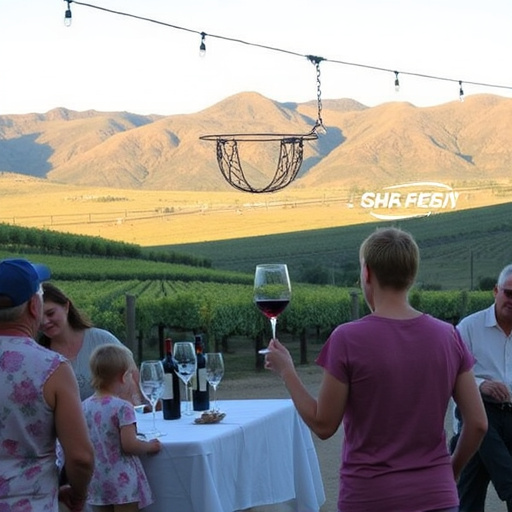
Sonoita, Arizona, is a hidden gem among wine countries, renowned for its diverse grape heritage. This unique blend of varietals reflects the region's distinct climate and terroir, offering wine enthusiasts a chance to explore flavors unlike anywhere else. The area boasts over 40 different grape varieties, many of which are not commonly found in more established wine regions. This diversity is a result of the area's history as a haven for grapevines, dating back to the late 19th century when European settlers introduced their prized vines. Over time, these initial varietals interbred with native wildflowers, creating a rich genetic pool that continues to thrive today.
The wine tasting experience in Sonoita is therefore a journey through this diverse grape heritage. Local wineries and vineyards pride themselves on crafting small-batch, handcrafted wines that highlight the unique characteristics of each varietal. For instance, the Zinfandel grapes from Sonoita have been described as having a distinct zestiness and fruit-forward profile, quite different from their California counterparts. Similarly, the region's Tempranillo offers hints of dark fruits and a smooth finish, a testament to the soil and climate where they're grown. Wine enthusiasts can explore these distinct flavors through various wine tasting sonoita events and tours, which often focus on showcasing the area's lesser-known gems.
Beyond the traditional European varietals, Sonoita is also home to native American grape varieties like Grape of India (Vignier) and Mustang, which have been cultivated in the region for generations. These grapes contribute unique aromatics and flavors to the local wine portfolio, further enriching the wine tasting experience. As a result, visitors to Sonoita not only enjoy exceptional wines but also gain insights into the intricate dance between grape varieties and their environment, making each sip a story of the land and its legacy.
Exploring Rare Varieties: A Taster's Guide
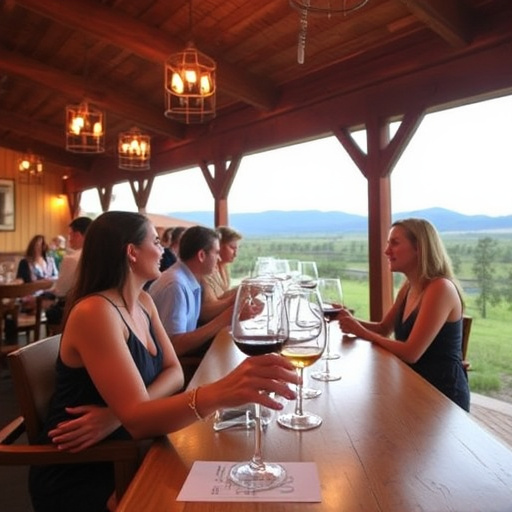
Sonoita, Arizona, nestled among the stunning Santa Catalina Mountains, has carved a unique niche for itself in the world of wine. Beyond the more well-known grape varieties, this small but vibrant region boasts an array of rare and diverse strains that offer a truly special experience for wine enthusiasts. Exploring these lesser-known gems is like navigating a labyrinthine tapestry where each thread tells a story of terroir and tradition.
Wine tasting Sonoita naturally leads one to discover its unique blends. Varieties like Tempranillo, known for its rich history in Spain, thrive in the region's warm, sunny days and cool nights. This grape produces wines with intense fruit flavors and smooth tannins, making them perfect for pairing with robust dishes. Another standout is Grenache, which adds a touch of elegance with its floral notes and juicy acidity. Blends incorporating these rare varieties offer complex profiles that challenge conventional tastes, inviting wine lovers to expand their palates.
Practical advice for tasters is to approach each wine with an open mind, allowing the nuances of flavor to unfold. Note the aromas, taste the subtle hints of terroir, and consider the balance between acidity, sweetness, and tannin levels. Many Sonoita wineries offer tastings where you can chat directly with winemakers, who are often passionate about sharing their knowledge. These conversations can provide insights into the challenges and rewards of cultivating these rare varieties, enhancing your overall experience.
Ultimately, exploring Sonoita's unique grape varieties is a dance with nature and tradition. It encourages wine enthusiasts to step outside their comfort zones and embrace the indelible experiences that come from discovering something truly different. So, whether you're a seasoned connoisseur or just starting your wine journey, take a dive into the vibrant world of Sonoita's rare wine varieties—it promises to be a memorable metamorphosis.
The Art of Blending in Arizona Wine Country
Sonoita, nestled within Arizona's sun-drenched wine country, has emerged as a gem for viticulture enthusiasts. The region's unique terroir, characterized by mineral-rich soils and varied microclimates, gives rise to an array of distinctive grape varieties. This diversity is a winemaker's playground, offering endless possibilities for artistic expression through blending.
The art of blending in Sonoita involves carefully combining different grape varieties, each with its own distinct flavor profile, aroma, and tannin structure. Winemakers here embrace the challenge, creating complex and unique wines that reflect the region's character. For instance, a popular blend might marry the bright acidity and citrus notes of Grenache with the full-bodied richness of Syrah, resulting in a wine with exceptional balance. This delicate dance of blending allows for the creation of wines that are truly representative of Sonoita's terroir.
Wine tasting sonoita naturally becomes an educational experience as visitors discover these blends. Tasting rooms often showcase the region's diverse offerings, encouraging guests to explore and appreciate the art. Expert sommeliers and winemakers are readily available to guide enthusiasts through these experiences, sharing insights into the blending process and the science behind creating harmonious wines. By engaging in these conversations, visitors gain a deeper understanding of Sonoita's wine heritage and the commitment to excellence that defines its producers.
The success of these blends has not gone unnoticed. Arizona wine country is increasingly recognized for its innovative approach to viticulture, attracting both local and international wine aficionados. As winemakers continue to push boundaries, the region's reputation as a hub for unique, high-quality wines grows, solidifying Sonoita's place on the global wine stage.
Natural Terroir: How It Shapes Flavors
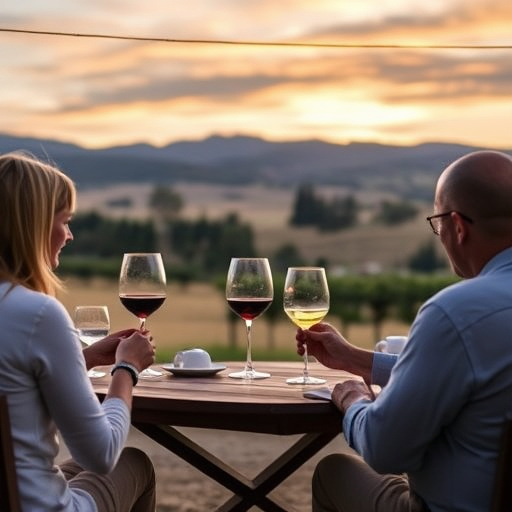
Sonoita's wine country stands out for its remarkable natural terroir, a complex interplay of geography, climate, and soil that profoundly influences the flavors of its grape varieties. This unique environment gives rise to a diverse array of grapes, each with its distinct character. For instance, the region's high elevation and arid climate foster the growth of Vitis vinifera varieties like Tempranillo and Grenache, known for their rich, complex aromas and robust structures. In contrast, lower-elevation areas support native American grape species such as Cruxent and Niellucio, contributing unique floral and citrus notes to the local wine portfolio.
The impact of terroir on Sonoita's wines is evident during wine tastings, where visitors can experience the region's diversity firsthand. A Tempranillo from higher elevations might display intense fruit flavors, subtle spice notes, and a firm tannic backbone, while a lower-elevation Grenache offers a more fruity profile with hints of rose and herbs. This natural variation allows winemakers to craft wines that reflect their specific vineyard sites, creating a truly unique and expressive wine experience.
For those looking to delve deeper into Sonoita's terroir, exploring the region's microclimates and soil types is essential. Diverse geological formations contribute to varying temperature regimes and water retention, further enriching the grape's flavor profile. Local wineries often share insights during tastings or tours, enabling visitors to understand how each vineyard's specific characteristics translate into the final wine. This connection between land and liquid not only enhances the appreciation of Sonoita's wines but also underscores the vital role that natural terroir plays in crafting exceptional beverages.
Unique Wine Experiences: Tasting Rooms to Discover
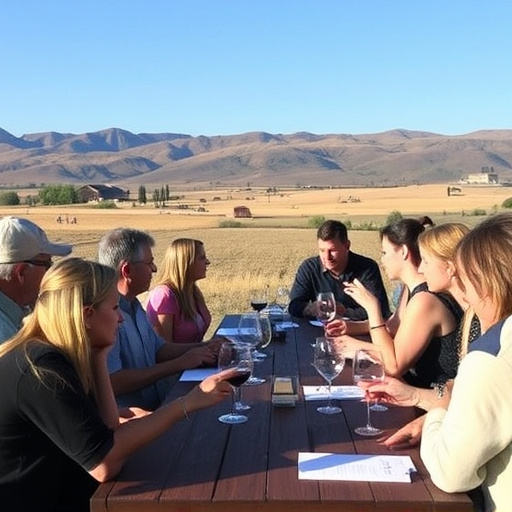
Sonoita, Arizona, is not just about expansive vineyards; it's a destination for unique wine experiences. The region's diverse microclimates and soil types naturally encourage a wide array of grape varieties, leading to distinctive blends that captivate palates. When visiting Sonoita, exploring its tasting rooms offers an immersive journey through these varieties. For instance, some rooms specialize in Tempranillo, showcasing the Spanish heritage in the region, while others highlight native Arizona grapes like Grenache and Mourvèdre, rare beyond these vineyards.
The wine tasting Sonoita naturally provides are not just about sampling; they're conversations that tie you to the land. Expert sommeliers guide visitors through the intricacies of each varietal, discussing terroir and aging processes. Some rooms even offer vertical tastings, allowing you to compare vintages from the same grape, showcasing the year-to-year nuances influenced by weather and viticultural practices. This deep dive into wine tasting Sonoita has fostered a thriving local wine culture, with many producers committed to organic and sustainable farming methods, further enriching the sensory experience.
Practical advice for maximizing your unique wine experiences? Plan ahead. Many top tasting rooms operate by appointment only, ensuring an unhurried, personalized visit. Additionally, consider joining a wine club from a Sonoita winery; these clubs often offer exclusive access to limited-release wines and behind-the-scenes tours. Ultimately, the best way to experience the terroir of Sonoita is to immerse yourself in its stories, both in the vineyards and around the tasting bar, where each sip becomes a testament to the region's natural wine heritage.
Beyond the Bottle: Sonoita's Culinary Pairings
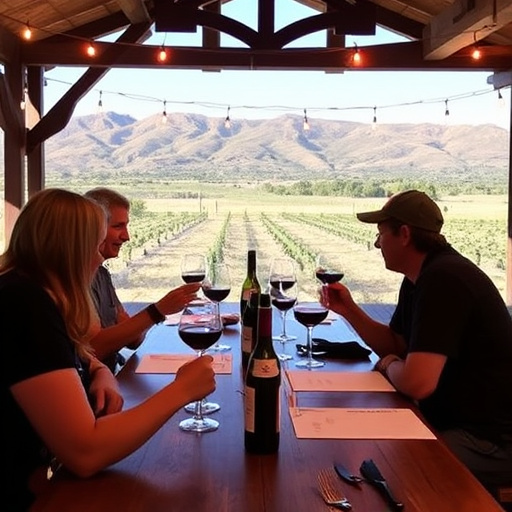
Sonoita wine country stands out not just for its diverse grape varieties but also for the unique culinary pairings they inspire. Beyond the bottle, this region offers a symphony of flavors that dance on the palate, where each glass of wine becomes a gateway to a specific dish or cooking style. The natural terroir of Sonoita, characterized by volcanic soils and sun-kissed hillsides, fosters the growth of grapes with distinct character, leading to wines that pair beautifully with local and international cuisines. For instance, the crisp and zesty Vermentino, with its citrus and mineral notes, is a perfect match for grilled seafood, while the rich and full-bodied Syrah complements hearty meat dishes like lamb shanks or wild boar sausages.
Wine tasting in Sonoita naturally encourages these culinary explorations. Many wineries offer not just tastings but also cooking classes and food pairings that highlight the region's culinary heritage. These experiences provide an immersive look into how local chefs and winemakers collaborate to create memorable dishes. For visitors, this means discovering not only unique grape varieties but also learning about the art of pairing them with the right food. As a result, diners can expect to elevate their dining experience, appreciating the complex interplay between wine and cuisine that Sonoita has to offer.
To make the most of these pairings, consider seeking out lesser-known varietals alongside classic favorites. Varietals like Tempranillo, with its dark fruit flavors and earthy undertones, or Grenache, known for its rich berry notes, can provide surprising culinary complements. Local restaurants often embrace these local grapes, creating dishes tailored to enhance their unique profiles. Ultimately, exploring Sonoita's wine and food pairings is an invitation to delve into a world where every bite and sip becomes a harmonious celebration of the region's distinct character.
By exploring Sonoita's unique grape heritage, from rare varieties to the art of blending, readers have gained a deeper understanding of the distinct flavors shaped by its natural terroir. This comprehensive guide highlights the significance of wine tasting Sonoita naturally, showcasing how the region's culinary pairings elevate the overall experience. The insights provided offer practical next steps for enthusiasts to engage with local tasting rooms and discover the indelible connections between the land and the liquid it produces, ensuring a memorable journey through Arizona's vibrant wine country.
About the Author
Dr. Emma Taylor is a renowned enologist and Wine Country Explorer with over 15 years of experience in viticulture. She holds a PhD in Viticulture and Enology from the University of California, Davis, and is certified by the Society of Wine Educators. As a contributing author for Wine Spectator and an active member of the International Association of Wine Professionals, Dr. Taylor's expertise lies in uncovering Sonoita's unique grape varieties and blends, sharing her insights through engaging articles and workshops.
Related Resources
Here are 5-7 authoritative resources for an article about exploring Sonoita wine country's unique grape varieties and blends:
- Sonoita Wine Country Visitor Center (Community Resource): [Offers insights into local wineries and their distinctive blends from a community perspective.] - https://www.sonoitawinecountry.com/
- Arizona Department of Revenue, Alcoholic Beverage Control (Government Portal): [Provides information on wine regulations and licensed producers in Arizona, including Sonoita.] - https://www.azabc.gov/
- University of California, Davis, Wine Studies Program (Academic Study): [Offers a wealth of knowledge about grape varieties and winemaking techniques across different regions, including potential influences on unique blends.] - https://wine.ucdavis.edu/
- Wine Enthusiast Magazine (Industry Publication): [Features articles by industry experts on wine trends, regions, and unique varietals, including coverage of Arizona's wine country.] - https://www.winesenthusiast.com/
- Arizona State University, College of Agriculture and Life Sciences (Academic Institution): [Conducts research and offers educational resources related to agriculture and viticulture in the state, potentially contributing insights into local grape varieties.] - https://cals.arizona.edu/
- National Grapevines Registry (Online Database): [Maintains a database of grape varieties grown across the U.S., allowing users to explore specific varietals and their characteristics.] - https://www.nationalgrapevinesregistry.org/
- Taste of Sonoita Festival Website (Community Event): [Provides information about an annual event celebrating local wine, food, and art, featuring insights from winemakers on their unique blends.] - https://www.tasteofsonoita.com/