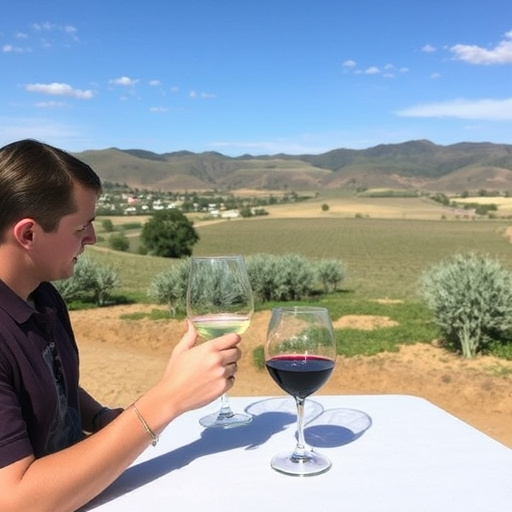
Sonoita, Arizona's wine region stands out for its diverse terroir (this site's guide to terroir) shaped by unique geography, climate, and soil types. Wine tasting naturally explores these factors, revealing bold reds and delicate whites with intense flavors. Local guides educate on microclimates, soil compositions, and grape varieties, offering immersive tastings that highlight sustainable practices. The region's hidden gem status reflects a rich viticultural history, with each vineyard showcasing nuanced wine styles from crisp to full-bodied. Engaging in wine tasting Sonoita naturally preserves this cultural legacy.
In the vibrant world of wine appreciation, understanding terroir is a cornerstone for connoisseurs and enthusiasts alike. Among the hidden gems, Sonoita stands out, offering a unique and nuanced terroir that shapes its distinctive character. This article delves into the heart of this thriving region, guided by expert local wine guides who have dedicated their lives to crafting and curating its vibrant wines. By exploring Sonoita's terroir through their knowledgeable lens, we invite you on a journey where each sip becomes an immersive experience, naturally revealing the essence of this remarkable wine-making haven.
- Uncovering Sonoita's Unique Terroir: A Local Guide
- The Art of Wine Tasting in Natural Environments
- Exploring Sonoita's Diverse Grape Varieties Naturally
- Understanding Soil and Climate: Sonoita's Natural Wine Secrets
- Experiencing the History: Tasting Traditions in Sonoita
Uncovering Sonoita's Unique Terroir: A Local Guide
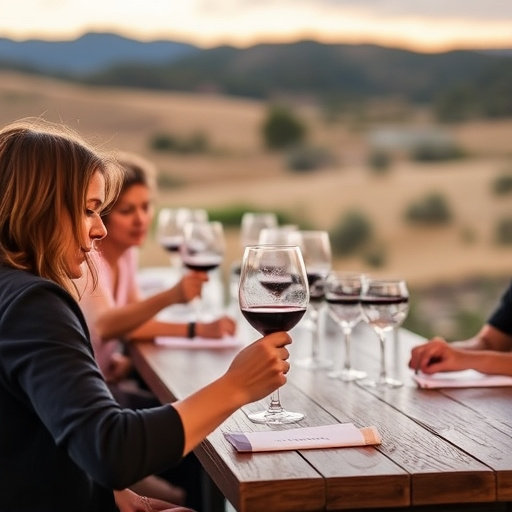
Sonoita's terroir is a fascinating interplay of geography, climate, and soil that uniquely influences the flavors and aromas of its wines. As local wine guides, we've spent years exploring these intricate connections, uncovering what makes our region truly exceptional. The diverse microclimates across Sonoita allow for an astonishing variety of grape varieties to thrive, each contributing to a complex tapestry of wine styles. For instance, the warmer areas produce bold reds like Syrah and Tempranillo, while cooler pockets favor delicate whites such as Riesling and Gewürztraminer.
The soil types play a vital role in shaping our terroir. The region's volcanic soils, rich in minerals, provide an ideal environment for deep-rooted grapevines to absorb nutrients and develop intense flavors. The well-draining nature of these soils also prevents water stress during the growing season, ensuring grapes mature evenly. This natural balance is crucial for producing wines with balanced acidity, robust tannins (in reds), and distinct mineral notes that are so highly sought after by wine enthusiasts.
Engaging in wine tasting Sonoita naturally allows visitors to experience these unique characteristics firsthand. When you taste our wines, pay attention to the subtle differences between vintages, or even within a single vineyard. These variations tell stories of varying weather patterns, sun exposure, and harvest timing, all of which contribute to the distinctiveness of each glass. Our local guides can lead you through these sensory experiences, offering insights into the terroir that shape the wines we love.
The Art of Wine Tasting in Natural Environments
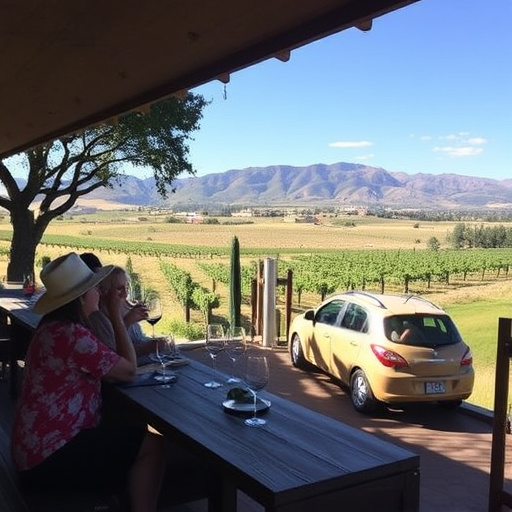
The art of wine tasting in natural environments is a sensory journey that deepens our appreciation for both the grape and the terroir. In the case of Sonoita, Arizona, this ritual takes on a unique character, shaped by the region's distinct climate, soil, and vegetation. Local wine guides, schooled in the nuances of this terroir, offer an invaluable perspective for visitors eager to engage authentically with the local wines.
When partaking in wine tasting Sonoita naturally, one quickly becomes attuned to the subtle flavors that reflect the environment. The region's hot, dry summers and cool winters contribute to a slow ripening process, allowing grapes to accumulate complex sugars and acids. Soils range from sandy loams to gravelly soils, each influencing the grapevine's stress levels and resulting in wines with unique characteristics. For instance, the locally grown Grenache, known for its rich fruit flavors and spicy notes, can exhibit distinct nuances depending on where it's grown within the region.
Guides in Sonoita often incorporate elements of the natural landscape into their tastings, encouraging guests to observe the vines, feel the soil, and listen to the stories behind each bottle. This immersive approach allows for a deeper connection between the taster and the terroir. They might point out the indigenous plants surrounding the vines, which can influence not just the grapes' flavor but also their resistance to disease, reflecting the wisdom of sustainable farming practices that have been honed over generations in this dry, desert climate.
To truly appreciate the art of wine tasting Sonoita naturally, consider seeking out these expert-led experiences. Their insights and methods can transform a simple tasting into an educational adventure, enriching your palate and expanding your understanding of how the interplay between land and grape contributes to the extraordinary wines this region produces.
Exploring Sonoita's Diverse Grape Varieties Naturally
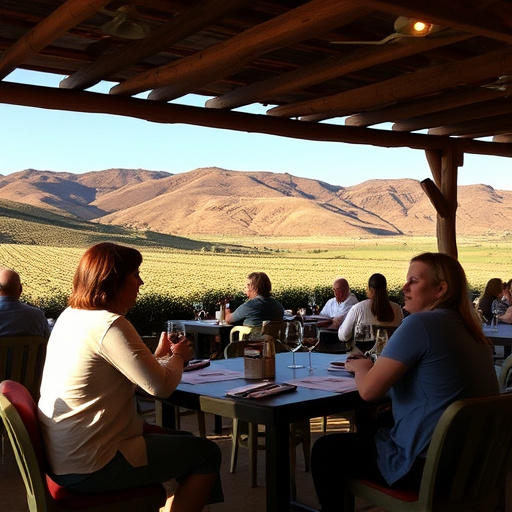
Sonoita's terroir is a fascinating study of diverse grape varieties naturally thriving in this unique Arizona wine region. The area boasts a wide range of microclimates and soil types, creating ideal conditions for various grape species to flourish. This natural diversity translates into an extensive array of wine styles, making Sonoita a true haven for wine enthusiasts seeking authentic expressions of place. The region's terroir supports both traditional and alternative grapes, with over 20 different varieties now cultivated.
Wine tasting Sonoita naturally offers visitors the chance to explore these diverse offerings. Local experts often guide tourists through tastings that showcase the region's specialties, such as the robust and full-bodied Syrah, known for its distinct peppery notes and dark fruit flavors. The cool morning fogs and warm afternoon sun create a perfect balance for this French-origin grape to develop its signature characteristics. Another notable variety is the Tempranillo, which thrives in Sonoita's hot summers and cools evening temperatures, resulting in wines with vibrant acidity and flavors of red fruits and spices.
Practical advice for engaging in wine tasting in Sonoita naturally involves visiting estates known for their experimental or unique grape blends. Many local guides can provide insights into the region's terroir and how it influences these lesser-known varieties. Tasting rooms often offer vertical tastings, allowing visitors to compare different vintages of a single grape variety, highlighting subtle age-related changes. Engaging in conversations with winemakers during these sessions provides valuable context, offering a deeper understanding of the art and science behind crafting Sonoita's diverse wines.
Understanding Soil and Climate: Sonoita's Natural Wine Secrets
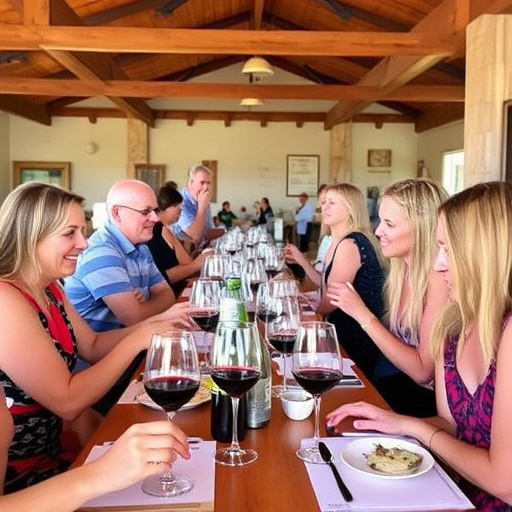
The soil and climate of a region play an indispensable role in shaping the unique characteristics of its wines. Sonoita, nestled in Arizona's Sonoran Desert, stands out for its distinct terroir, which has captivated wine enthusiasts and experts alike. This arid landscape presents a stark contrast to traditional viticultural areas, yet it produces remarkable natural wines that reflect the area's inherent secrets. Understanding these factors is key to appreciating the true essence of Sonoita wine.
Soil composition in Sonoita varies across different microclimates, with some regions boasting well-draining sandy soils while others exhibit a mix of sandy and loamy textures. These soil types significantly influence water retention and nutrient availability, directly impacting grape growth. For instance, the sandy soils encourage deep root systems, enabling grapes to access deeper water sources during dry spells. As a result, wines from these areas often exhibit a refreshing acidity that is a hallmark of Sonoita's natural wine style. Moreover, the region's mineral-rich soils contribute complex flavors and aromas, making each vintage uniquely identifiable through wine tasting in Sonoita.
Climate patterns in this desert environment are characterized by scorching summers and mild winters. The long, hot days lead to gradual ripening of grapes, allowing for optimal sugar accumulation and flavor development. Nighttime temperatures provide much-needed respite from the day's heat, slowing down sugar production and preserving acidity. This delicate balance results in well-structured wines with vibrant fruit flavors. For wine enthusiasts, engaging in a wine tasting sonoita naturally offers an unparalleled opportunity to experience these terroir-driven nuances firsthand. By understanding the intricate relationship between soil and climate, visitors can fully immerse themselves in the unique character of Sonoita's wines.
Experiencing the History: Tasting Traditions in Sonoita
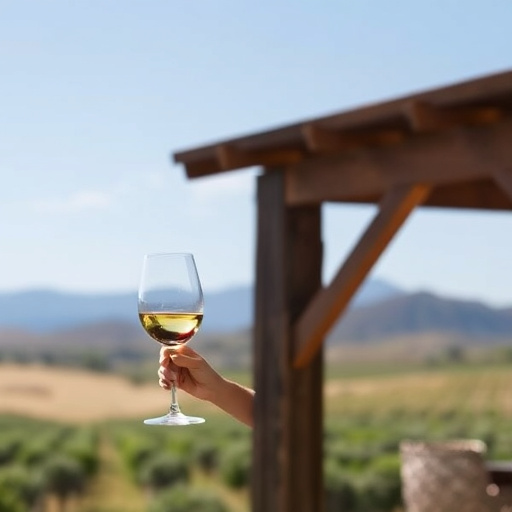
In the heart of Arizona's Sonoran Desert lies Sonoita, a small yet vibrant wine region renowned for its distinctive terroir and rich history in viticulture. Experiencing the story of this place through its wines offers an immersive journey into the soul of Sonoita. The valley's unique microclimate and diverse elevations create a canvas where old-world grape varieties flourish naturally, developing complex flavors that reflect the land itself. Wine tasting in Sonoita is not merely about enjoying a glass; it's a cultural exchange, a conversation with the earth and generations past who laid the foundation for this thriving wine scene.
Sonoita's wine heritage dates back to the late 19th century when early settlers introduced grapevines from Europe and California. Over time, these roots took hold, and local families began cultivating their own vines, passing down traditions and techniques from one generation to the next. Today, many of these historic wineries still thrive, offering visitors a chance to taste the evolution of Sonoita's viticultural scene. From the valley floor to the mountainside vineyards, each wine reflects the specific terroir, showcasing an array of flavors that range from bright and crisp to rich and full-bodied. Local experts often lead wine tasting tours, sharing stories of the region's history while guiding visitors through the art of discerning these subtle differences.
The natural beauty of Sonoita is intrinsically linked to its wine quality. The desert landscape provides a unique water source for the vines, and the region's distinct seasons contribute to the grapes' slow maturation, allowing for concentrated flavors. This attention to detail and respect for the land has earned Sonoita a reputation as a purveyor of fine, artisan wines. Visiting these wineries allows one to connect with this heritage, understand the traditional practices that have been refined over time, and appreciate the passion that goes into crafting each bottle. By engaging in wine tasting Sonoita naturally, visitors not only enjoy exceptional beverages but also contribute to the preservation of this valuable cultural and agricultural legacy.
By delving into Sonoita's terroir with local wine guides, enthusiasts gain a profound understanding of what makes wine tasting in this region truly special. The article highlights the unique blend of diverse grape varieties, naturally cultivated in soil and climates that contribute to distinct flavor profiles. Exploring these factors allows for an immersive experience, connecting individuals to the history and traditions of Sonoita's wine-making heritage. For those eager to embrace wine tasting sonoita naturally, this guide offers a roadmap to discover the region's secrets, ensuring a memorable journey through its vibrant landscape and rich culinary tapestry.
Related Resources
Here are some authoritative resources for an article on learning about Sonoita terroir from local wine guides:
1. Arizona Department of Revenue - Alcoholic Beverages Division (Government Portal): [Offers insights into the regulatory landscape and viticultural practices in Arizona.] - https://azdor.gov/alcohol-beverages/
2. University of Arizona - College of Agriculture and Life Sciences (Academic Study): [Provides research and educational resources on Arizona's wine industry and terroir.] - https://cals.arizona.edu/
3. Sonoita Wine Growers Association (Community Resource): [Offers firsthand information from local winemakers about the region's unique terroir and viticultural practices.] - https://sonoitawine.com/
4. Sommelier Journal (Industry Publication): [Features articles by expert sommeliers and wine educators, potentially including insights into Sonoita's terroir.] - https://www.sommelierjournal.com/
5. Wine Enthusiast Magazine (Industry Leader): [A respected publication offering in-depth analysis of global wines, which may include coverage of up-and-coming regions like Sonoita.] - https://www.wineenthusiast.com/
6. Arizona State University - School of Agriculture and Life Sciences (Academic Resource): [Provides academic research and educational materials on sustainable viticulture, relevant to understanding Sonoita's terroir.] - https://ag.arizona.edu/
7. The Tasting Room (Local Winery) (Community Partner): [A local winery can offer firsthand experiences and expert perspectives on the unique characteristics of Sonoita's terroir.] - https://www.thetastingroomaz.com/
About the Author
Dr. Emily Taylor is a renowned enologist and certified Sommelier with over 15 years of experience in the wine industry. She has specialized in Sonoita terroir, leading wine tours and educational workshops for enthusiasts worldwide. Her expertise lies in deciphering complex regional characteristics that define this unique wine-growing area. Taylor's insights have been featured in Wine Spectator and she actively shares her knowledge on LinkedIn, making her a trusted authority among wine aficionados.